Skills Retirees Need for Re-entering the Workplace
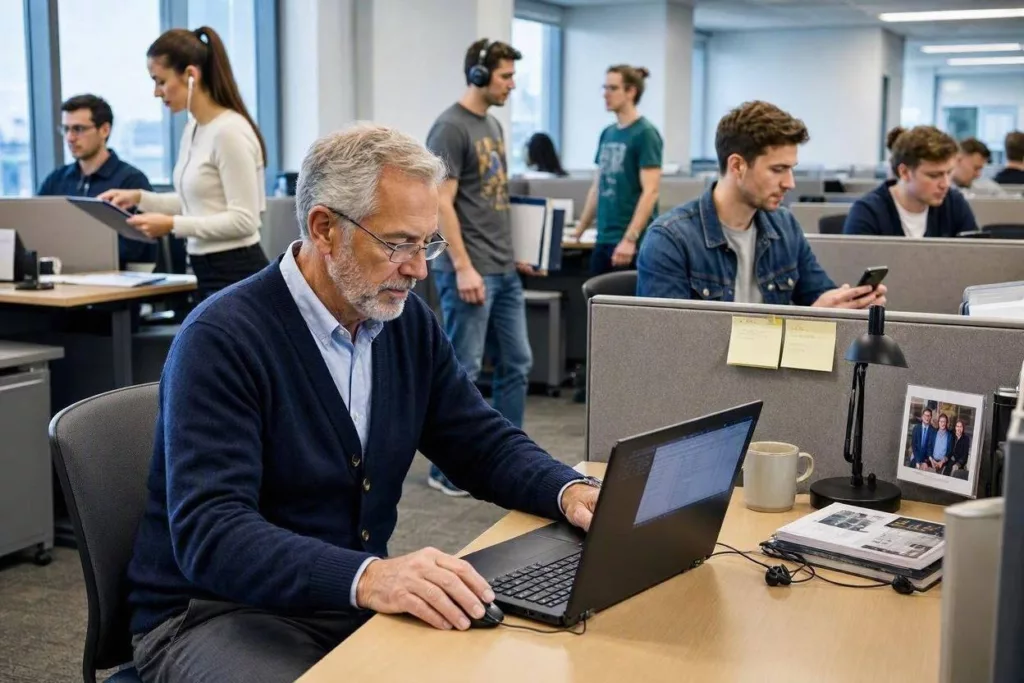
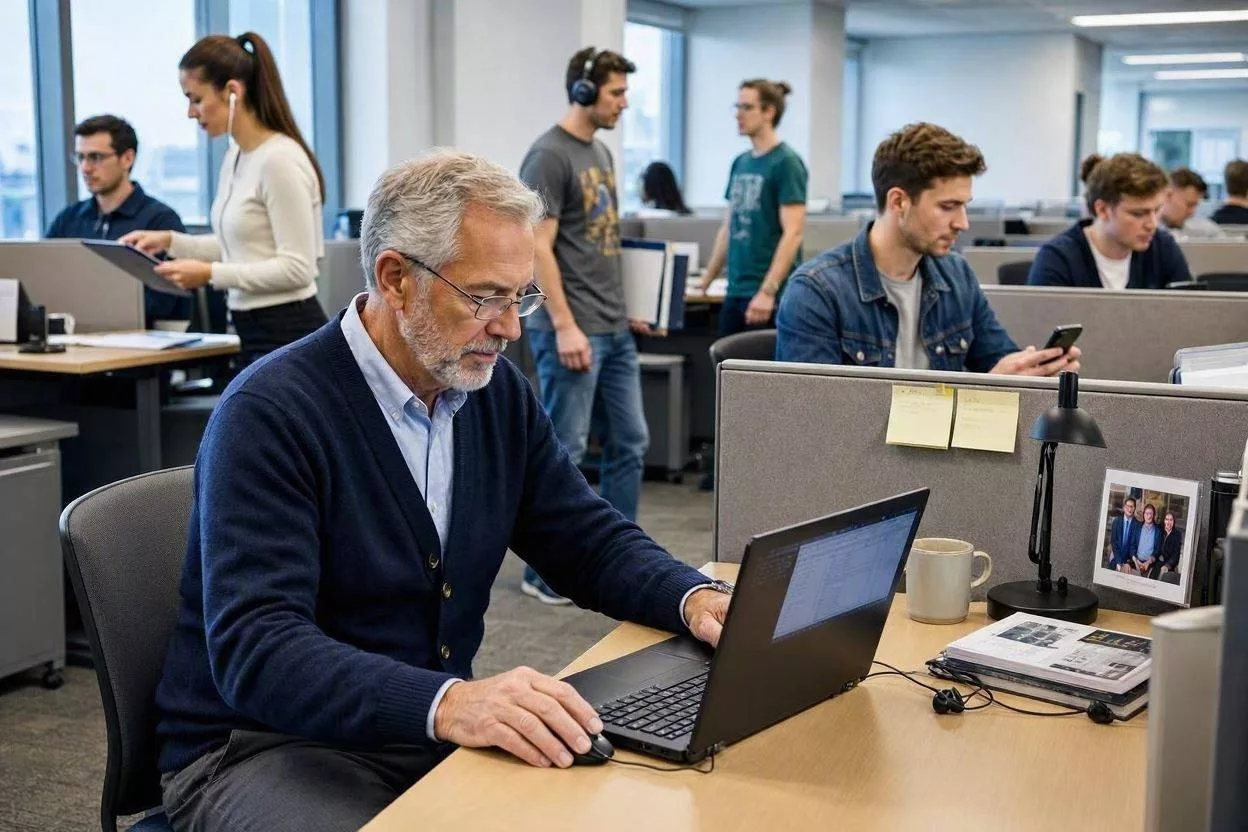
Thinking about going back to work after retirement?
You’re certainly not alone.
Whether it’s to supplement your retirement income, keep your mind active, or simply enjoy the company of other people again, more retirees than ever are returning to the workforce.
The good news is this: employers value maturity, reliability, and experience. Those are qualities you already have.
The challenge isn’t your age—it’s making sure your skills reflect today’s workplace.
If you’ve been retired for several years, you may be surprised at just how much has changed. Computers, smartphones, cloud technology, online meetings, and artificial intelligence are now part of everyday business life.
That might sound intimidating, but don’t let it discourage you.
The encouraging news is that most of these skills can be learned far more quickly than you might imagine.
The First Skill Every Returning Retiree Needs
Let’s get straight to the biggest one.
Computer confidence.
Almost every job today involves technology in one form or another.
Even jobs that aren’t office-based often require staff to:
- Send emails
- Complete online training
- Use smartphones or tablets
- Enter information into computer systems
- Attend online meetings
- Access company websites or scheduling apps
Many employers are happy to teach you their systems, but they generally expect you to arrive with the basics already under your belt.
If you’ve never really felt comfortable with computers, now is the perfect time to change that.
Fortunately, there are thousands of free tutorials on YouTube, along with inexpensive online courses covering everything from email and Microsoft Office to Google Workspace and Zoom. You can also check out this resource from a previous 67 and Up article. Learning Tech Skills In Retirement – Sixty Seven & Up
Learning these skills isn’t nearly as difficult as many people fear.
Believe It or Not—You Already Have a Head Start
It’s easy to focus on what you don’t know.
Instead, think about everything you already bring to the table.
After decades in the workforce you’ve probably developed skills that employers struggle to find.
Things like:
- Reliability
- Punctuality
- Good judgement
- Customer service
- Problem solving
- Teamwork
- Leadership
- Patience
- Common sense
Those qualities don’t disappear when you retire.
In fact, many younger managers actively seek mature employees because they know they can depend on them.
Refresh Your Skills—Not Your Entire Career
One mistake many retirees make is assuming they have to start all over again.
Usually, that’s not true.
Instead, think about updating the skills you already have.
Ask yourself:
- What has changed since I last worked?
- Which computer programs are now commonly used?
- Are there any certifications that would strengthen my résumé?
- What jobs interest me today?
A few weeks of learning can dramatically improve your confidence.
Keep Learning

Here’s one of the best things about today’s world.
You don’t have to go back to college.
Thousands of excellent courses are available online, often at very little cost.
Websites such as Coursera, Udemy and YouTube offer beginner-friendly lessons covering virtually every subject imaginable.
Learn at your own pace.
Pause the videos.
Replay them.
Practice until you’re comfortable.
There’s absolutely no rush.
Learn the Language of Today’s Workplace
Modern workplaces rely heavily on digital communication.
If you can comfortably use tools like:
- Microsoft Word
- Excel
- Zoom
- Microsoft Teams
- Google Docs
you’ll already feel far more confident during interviews and on your first day back.
The more familiar these become, the less intimidating the modern workplace feels.
Your Online Presence Matters
Years ago your résumé was enough.
Today, many employers will also look online.
Having an up-to-date LinkedIn profile can make a tremendous difference.
Don’t think of LinkedIn as social media.
Think of it as your online résumé.
Highlight your experience.
Mention any recent courses you’ve completed.
Show employers that you’re still learning and adapting.
That sends a very positive message.
Networking Has Changed Too
Networking isn’t just business breakfasts anymore.
Today it often happens online.
Joining LinkedIn groups, Facebook groups related to your profession, or local community organisations can introduce you to opportunities you might never otherwise hear about.
Many jobs are still filled through recommendations rather than advertisements.
The more people who know you’re looking, the better.
Don’t Be Afraid of Remote Working
One of the biggest changes since many retirees left work is the rise of remote and hybrid employment.
That can actually work in your favour.
Imagine earning an income without a daily commute.
Many customer service, bookkeeping, administration, tutoring, writing, and consulting jobs can now be done entirely from home.
Once you’ve learned the basics of Zoom, Teams and online collaboration, you’ll discover that working from home quickly becomes second nature.
Soft Skills Are Your Secret Weapon
Technology can be learned.
Character can’t.
This is where retirees often shine.
Good employers know that experience brings qualities such as:
- Professionalism
- Patience
- Reliability
- Emotional maturity
- Communication
- Conflict resolution
- Sound judgement
These “people skills” are every bit as valuable as technical knowledge.
Don’t underestimate them.
Stay Positive and Stay Curious
Perhaps the biggest skill of all is simply having the right attitude.
The workplace has changed.
Technology has changed.
But people haven’t.
Employers still want dependable people who are willing to learn, arrive on time, solve problems and work well with others.
If you’re prepared to update a few technical skills while making the most of your years of experience, you’ll have far more to offer than you may realise.
And if this article inspires you to share your own experiences, start a blog, or build a website about your interests, a resource like Wealthy Affiliate can be worth mentioning because it provides training, tools, and community support for people who want to learn how to create and grow an online presence.
Final Thoughts
Returning to work after retirement can feel like a big step, but it can also be one of the most rewarding decisions you make.
You’ll meet new people.
Learn new skills.
Keep your mind active.
Earn additional income.
And perhaps most importantly, prove to yourself that it’s never too late to begin another exciting chapter.
Don’t focus on everything that’s changed.
Focus on what you already have.
Experience.
Wisdom.
A strong work ethic.
Then add a little modern technology to the mix.
You may be surprised at just how many doors begin to open.
After all, retirement isn’t necessarily the end of your working life—it might simply be the start of an entirely new adventure.