Do you think you’re getting enough protein? You are not the only person who asks that question of their doctor or dietitian. It’s one of the most common questions they receive from seniors, and there’s a very good reason for that.
As we age, our bodies start to change. Muscles begin to atrophy, energy levels decrease, and healing takes longer whether from injury, illness or simply spending too much time working in the yard.
Many people assume that because they’re less active in retirement, they need less protein. Surprisingly, the opposite is often true. Experts now believe that many seniors actually benefit from eating more protein than younger adults to help maintain muscle strength, support their immune system, and stay independent for as long as possible.
So, how much protein should seniors eat every day? Let’s take a closer look.
Why Protein Becomes More Important as We Age

Most people associate protein with bodybuilders and athletes, but that’s only part of the story, because you too can transform your diet and transform your life
Protein is the building block for almost every tissue in your body. It helps repair muscles, supports healthy skin, keeps your bones strong, and even plays an important role in producing hormones and enzymes.
As we age, our bodies become less efficient at using the protein we eat. At the same time, we gradually lose muscle in a process known as sarcopenia. Unless we replace that muscle through good nutrition and regular activity, it can lead to weakness, poor balance, and a greater risk of falls.
The encouraging news is that eating enough high-quality protein, combined with regular exercise, can slow this process considerably.
In other words, protein isn’t just about building muscle—it’s about preserving your strength, mobility, and independence.
How Much Protein Should Seniors Eat Every Day?
Current research suggests that healthy older adults should aim for around 1.0 to 1.2 grams of protein per kilogram (2.2 pounds) of body weight each day.
For example:
- A person weighing 60 kg (132 lbs) should aim for 60–72 grams of protein daily.
- A person weighing 70 kg (154 lbs) should aim for 70–84 grams.
- A person weighing 80 kg (176 lbs) should aim for 80–96 grams.
People recovering from surgery, illness, or injury, or those who exercise regularly, may need even more. On the other hand, people with kidney disease or certain other medical conditions should always follow the advice of their doctor or registered dietitian.
The important thing to remember is that these are general guidelines. Your own needs may be different.
What Factors Affect Protein Requirements?
There’s no “one-size-fits-all” answer.
Several factors influence how much protein you need, including:
- Your age
- Your weight
- How physically active you are
- Existing medical conditions
- Whether you’re recovering from illness or surgery
- Your overall calorie intake
For example, someone who enjoys daily walks, gardening, swimming, or strength training will usually require more protein than someone who spends most of the day sitting.
Likewise, if you’ve recently been ill, your body needs additional protein to repair damaged tissues and rebuild strength.
The Benefits of Eating Enough Protein
Getting enough protein each day offers several important health benefits for older adults.
Helps Maintain Muscle Mass
One of protein’s biggest jobs is maintaining muscle. Strong muscles make everyday activities like climbing stairs, carrying groceries, and getting out of a chair much easier.
Supports Healthy Bones
Although calcium gets most of the attention, protein also contributes to healthy bones. Combined with vitamin D and regular exercise, it helps reduce the risk of fractures.
Boosts Your Immune System
Protein is essential for producing antibodies that help your body fight infection. Since our immune systems naturally become less efficient with age, this benefit becomes increasingly important.
Speeds Recovery
Whether you’ve had surgery, suffered an injury, or simply overdone it in the garden, protein helps repair damaged tissues and supports faster healing.
Helps You Stay Independent
Perhaps the greatest benefit is maintaining the strength and energy needed to continue enjoying an active lifestyle for years to come.
Recognising the Signs of Protein Deficiency
Many seniors don’t realise they’re not eating enough protein.
Some warning signs include:
- Unexplained muscle loss
- Feeling weaker than usual
- Slower recovery after illness
- Frequent infections
- Swollen legs or feet
- Brittle hair or nails
- Unintentional weight loss
If you notice several of these symptoms, it’s worth discussing them with your healthcare provider.
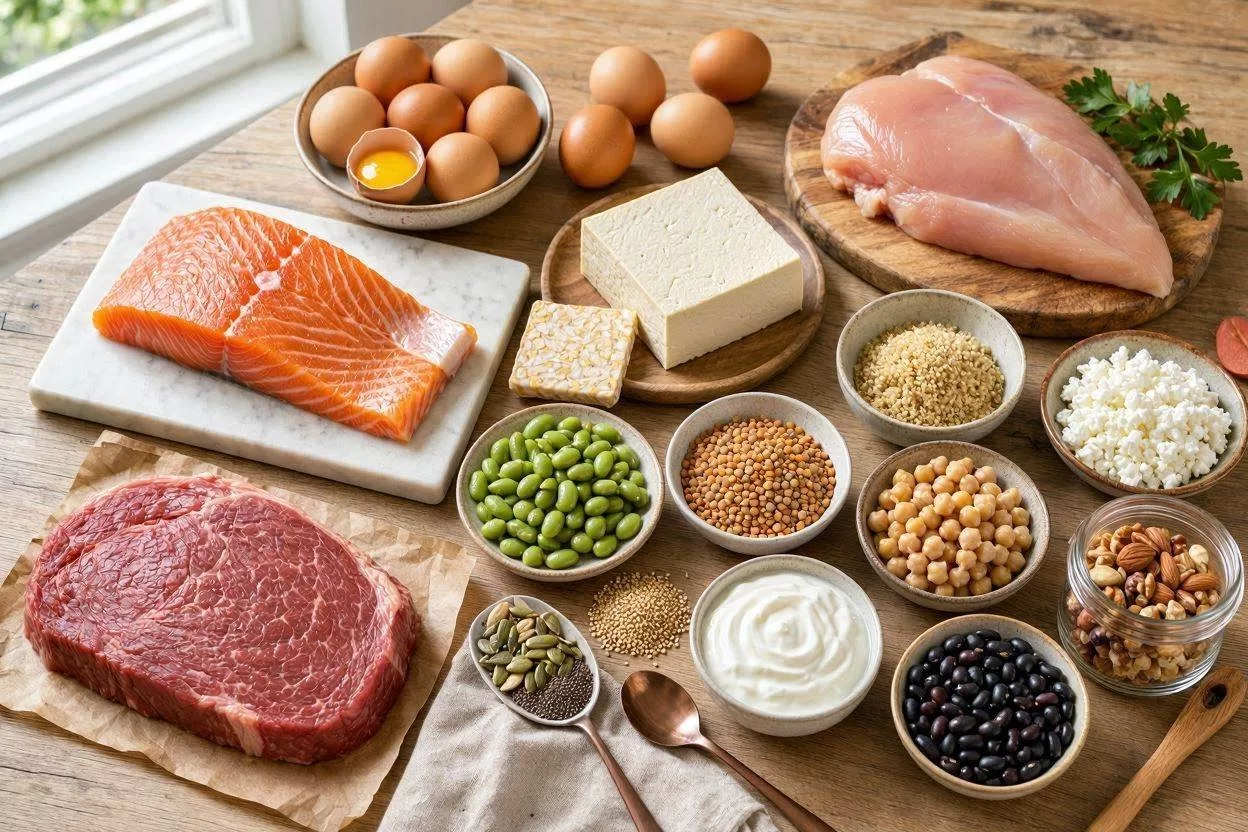
The Best Sources of Protein
Fortunately, there are plenty of delicious ways to increase your protein intake.
Animal-Based Protein
These are considered complete proteins because they contain all nine essential amino acids.
Good choices include:
- Chicken
- Turkey
- Lean beef
- Fish
- Eggs
- Greek yogurt
- Cottage cheese
- Milk
- Cheese
Plant-Based Protein
Plant proteins are also excellent and often provide additional fibre and heart-healthy nutrients.
Consider adding:
- Lentils
- Chickpeas
- Beans
- Tofu
- Edamame
- Nuts
- Seeds
- Quinoa
- Peanut or almond butter
A combination of plant and animal proteins gives most people the best nutritional balance.
Spread Protein Throughout the Day

One mistake many people make is eating most of their protein at dinner.
Research suggests it’s actually better to spread your protein intake across all three meals.
For example:
Breakfast
- Greek yogurt with berries
- Scrambled eggs on wholegrain toast
- Cottage cheese with fruit
Lunch
- Chicken salad
- Tuna sandwich
- Lentil soup
Dinner
- Grilled salmon
- Roast chicken
- Lean beef with vegetables
- Bean chilli
Even healthy snacks can contribute.
A handful of nuts, a boiled egg, or some cheese and crackers can all help you reach your daily target.
Can You Eat Too Much Protein?
Like most things in nutrition, balance is important.
For healthy older adults, eating the recommended amount of protein is generally considered safe.
However, people with kidney disease or certain medical conditions may need to limit their protein intake. That’s why it’s always wise to consult your doctor before making significant dietary changes.
More isn’t always better.
The goal is eating the amount that’s right for your body.
Creating a Protein Plan That Works

Healthy eating shouldn’t feel like hard work.
The best eating plan is one you can enjoy and stick with.
Start by looking at your current meals.
Could breakfast include an egg or some Greek yogurt?
Could lunch feature tuna, chicken, or beans?
Could you add nuts or seeds to your salad?
Small changes often produce surprisingly big results.
If you’re unsure whether you’re meeting your nutritional needs, consider speaking with a registered dietitian. They can tailor recommendations to your health, lifestyle, and personal preferences.
And if this article inspires you to share your own experiences, start a blog, or build a website about your interests, a resource like Wealthy Affiliate can be worth mentioning because it provides training, tools, and community support for people who want to learn how to create and grow an online presence.
Final Thoughts

So, how much protein should seniors eat every day?
For most healthy older adults, aiming for 1.0 to 1.2 grams of protein per kilogram of body weight each day is a sensible target. Combined with regular physical activity—especially light strength training—adequate protein can help maintain muscle, improve mobility, support your immune system, and keep you feeling your best.
The important thing isn’t trying to eat huge amounts of protein overnight. Instead, focus on including a good source of protein with each meal and snack.
A few simple changes to your diet today could help you stay stronger, healthier, and more independent for many years to come.