


Many of us now have a different attitude toward travel since retiring. And deciding on how to choose a cruise as a retiree is not as straightforward as it sounds. From the multiple offerings available, deciding on just one isn’t an easy task, Let’s break it down.
You might not have to squeeze a vacation into seven precious days between work commitments. You may have two or three weeks available. You could dream of visiting Alaska, touring Europe, cruising the Mississippi River, or lounging on a ship’s deck with a novel while someone else prepares your meals.
Fortunately, there’s a cruise for virtually every type of retired traveler in the market today.
The challenge is figuring out which cruise is right for you.
A 70-year-old who enjoys hiking, photography and exploring new cities may be disappointed on a cruise designed primarily around relaxation. Likewise, someone looking for peace and quiet may not appreciate spending a week aboard a giant ship packed with thousands of passengers and dozens of activities.
So before you start comparing prices, start by figuring out what you actually want from the experience.
Start With One Simple Question: What Do You Want From Your Cruise?

This may sound obvious, but it can save you from booking the wrong vacation.
Ask yourself:
- Do I want relaxation or adventure?
- Do I want lots of activities onboard or a quieter atmosphere?
- Am I interested in history and culture?
- Is food an important part of the vacation?
- Do I want to meet lots of people or prefer a smaller group?
- Would I rather visit several cities or spend more time at sea?
- How physically active do I want to be?
- Do I want a traditional ocean cruise or a smaller river cruise?
Your answers will quickly begin to narrow the field.
For example, a retiree who loves history, wine and European culture might be happier on a seven- or 10-day river cruise than on a huge Caribbean resort ship.
Someone who loves Broadway-style entertainment, swimming, fitness classes and plenty of restaurants might have exactly the opposite preference.
And an active couple who still enjoys hiking, kayaking or cycling may want to look at expedition or adventure-oriented cruises.
There isn’t one “best cruise for retirees.”
There is only the best cruise for you.
Ocean Cruise or River Cruise?
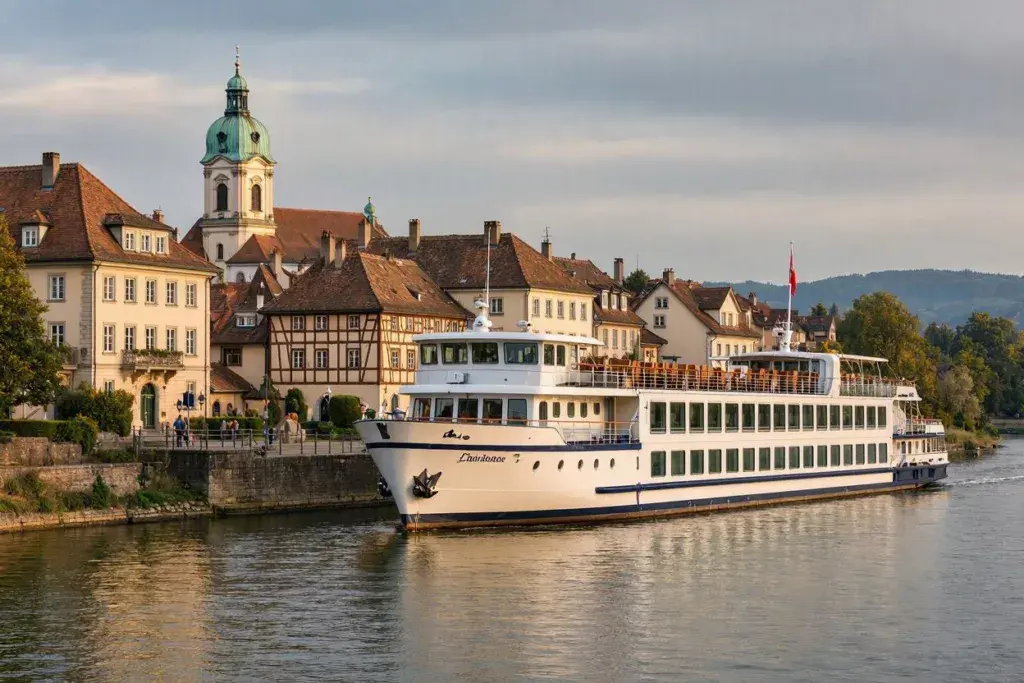
This is one of the first major decisions you’ll need to make.
Ocean cruises
Ocean ships range from relatively small vessels to enormous floating resorts carrying thousands of passengers.
The larger ships can offer an almost astonishing variety of activities—multiple restaurants, theaters, pools, fitness centers, shopping, live entertainment and organized activities throughout the day.
For example, Royal Caribbean’s ships can include attractions such as surf simulators, large-scale entertainment and observation experiences.
That can be terrific if you want plenty to do.
But don’t assume a big ship is automatically the best value.
Some activities, specialty restaurants, drinks, Wi-Fi packages and excursions may cost extra.
River cruises
River cruising is a very different experience.
Ships are considerably smaller, and you’re usually much closer to the destination. Rather than spending several days crossing an ocean, you may wake up each morning near another town or city.
That makes river cruising particularly attractive if your priority is seeing and experiencing destinations rather than spending most of your vacation enjoying the ship itself.
River ships commonly visit the centers of European cities and towns, and many fares include excursions or other destination-focused features.
For a first river cruise, the Rhine and Danube are popular choices. Other possibilities include the Rhône and Seine in France, Portugal’s Douro, the Nile, the Mekong and the Mississippi.
There is one important caveat for 2026: unusually low water levels have disrupted some European river itineraries this summer, including portions of the Danube, Rhine and other rivers. This is a good reminder to buy appropriate travel insurance and understand what happens if water levels affect your itinerary.
Current Cruise Lines Worth Considering
Rather than simply giving you a long list of cruise companies, here’s a more useful approach: match the cruise line to the type of retiree it may suit best.
Cruise brands change their ships and itineraries frequently, so always check the current offering before booking.
Holland America Line — For Traditional Cruising and Enrichment
Holland America Line is worth considering if you like a more traditional cruise experience without the giant-resort atmosphere.
It has a strong reputation for destination-focused cruising, cultural enrichment, music and culinary experiences.
This can be particularly appealing if your idea of a good evening is a nice dinner followed by live music or a lecture rather than a waterslide.
Holland America also has a particularly strong presence in Alaska and Europe. Travel experts frequently identify it as one of the better choices for mature travelers.
Best for: Traditional cruising, enrichment, Alaska, mature travelers and couples who want plenty to do without a nonstop party atmosphere.
Viking — For Culture, Learning and a Quieter Atmosphere
Viking Cruises has become one of the best-known choices for travelers who put destinations and cultural enrichment ahead of onboard thrills.
Viking operates both ocean and river cruises and has a particularly strong appeal to travelers who want history, food, architecture and local culture woven into the journey.
Its ocean fares currently include a shore excursion in every port, Wi-Fi, onboard meals, selected beverages with lunch and dinner, enrichment lectures and other features.
That makes Viking especially interesting for retirees who dislike constantly reaching for their wallet once they board.
Best for: Culture, history, destination exploration, enrichment and a quieter adults-oriented experience.
Oceania Cruises — For Food-Loving Retirees
Oceania Cruises is an especially interesting choice if food is a major part of your vacation.
The line describes itself as culinary- and destination-focused, with its “Finest Cuisine at Sea” program at the center of the experience. Its ships are smaller and more intimate than the giant mainstream vessels.
Oceania also offers cooking, wine, wellness and enrichment opportunities, making it a good match for retirees who want their vacation to feel sophisticated without being overly formal.
Best for: Foodies, wine lovers, destination-focused travelers and couples who prefer smaller luxury ships.
Princess Cruises — Particularly Strong for Alaska
Princess Cruises is another major operator worth investigating, particularly if Alaska is on your retirement bucket list.
Princess has developed a substantial Alaska program, including its “North to Alaska” experiences featuring local culture, food, educational programming and entertainment. Its 2026 Alaska season includes eight ships.
For someone who wants the classic Alaska experience—with glaciers, wildlife, scenery and excursions—Princess is definitely a line to compare.
Best for: Alaska, scenic cruising, traditional ocean cruising and travelers who want a broad selection of itineraries.
Azamara — For Travelers Who Want More Time Ashore
Azamara Cruises takes a very different approach.
Its small ships are designed around destination immersion rather than simply getting you from one port to another.
Azamara emphasizes longer stays, late departures and overnight visits. That means you may have substantially more time to experience a destination rather than returning to the ship shortly after lunch.
The company says its ships frequently offer 10 or more hours in port, along with overnight stays and visits to smaller ports that aren’t accessible to larger vessels.
That could be perfect for a retiree who says, “I’ve been to Italy before, but I never really got to experience it.”
Best for: Cultural immersion, smaller ships, longer port visits and travelers who don’t like rushing through destinations.
Regent Seven Seas — For Luxury and Minimal Nickel-and-Diming
Regent Seven Seas Cruises occupies the luxury end of the market.
It’s worth considering if you would rather pay more upfront and have fewer decisions about additional expenses once aboard.
Regent includes unlimited complimentary shore excursions in every port, although certain premium excursions cost extra.
This can make sense for retirees who value convenience and personalized service more than finding the lowest possible cruise fare.
Best for: Luxury, all-inclusive-style cruising, fine dining and travelers who dislike additional onboard charges.
Cunard — For Classic Ocean Cruising
Cunard is a good choice if the romance and tradition of ocean travel appeal to you.
Cunard still offers its famous afternoon tea, served daily with white-gloved waiters, as well as formal Gala Evenings.
This isn’t necessarily the line for someone looking for waterslides and nonstop activities.
It is much more suited to someone who likes dressing for dinner, listening to live music, enjoying good conversation and appreciating the experience of being at sea.
Best for: Traditional cruising, elegance, afternoon tea, formal evenings and travelers who enjoy the journey as much as the destination.
American Cruise Lines — For Exploring the United States
American Cruise Lines is particularly interesting for retirees who don’t want to fly overseas.
The company operates small ships and riverboats on American waterways, including the Mississippi, Columbia and Snake Rivers, New England and other U.S. destinations.
Its ships are intentionally much smaller than the giant ocean vessels, and the company emphasizes domestic destinations and personalized service.
Best for: U.S. travel, Mississippi River cruising, New England, smaller ships and travelers who prefer to stay closer to home.
What About the Mega-Ship Cruise Lines?
Don’t automatically eliminate the big names simply because you’re retired.
Royal Caribbean, Norwegian Cruise Line, Carnival and other major operators can be excellent choices for active retirees.
If you enjoy fitness classes, swimming, entertainment, specialty restaurants, nightlife and having dozens of things to choose from, a large ship might actually suit you perfectly.
The trick is to choose the right ship.
Look at the actual ship, not just the cruise line.
A cruise company can operate vessels that feel very different from one another.
Before booking, look at:
- Passenger capacity
- Number of restaurants
- Pool areas
- Fitness facilities
- Entertainment
- Walking distances around the ship
- Elevator availability
- Cabin size
- Number of sea days
- Shore excursion choices
- Additional fees
And remember that bigger isn’t necessarily better.
It depends on what you want.
Think Carefully About Your Physical Abilities

This is one area where retirees should be completely honest with themselves.
You don’t have to be an athlete to enjoy cruising, but before you go getting in shape will really help you to enjoy everything on offer. How To Start A Fitness Program For Retirees – Sixty Seven & Up
But a cruise can involve considerably more walking than you might expect.
You may walk a long distance from your cabin to the dining room, spend several hours exploring a port and then discover that your shore excursion involves stairs, cobblestones or uneven ground.
Read excursion descriptions carefully.
“Easy walking” doesn’t mean “no walking.”
And a beautiful European city may have steep streets, uneven sidewalks and historic buildings without elevators.
If you use a cane, walker or wheelchair, contact the cruise line before booking rather than assuming that a ship is automatically accessible.
Ask specific questions about:
- Accessible cabins
- Shower configuration
- Door widths
- Elevators
- Gangways
- Tender boats
- Shore excursions
- Mobility equipment
- Emergency procedures
Your goal isn’t to limit yourself.
It’s to make sure that the adventure you choose is one you can actually enjoy.
Don’t Ignore the Medical Side of Cruising
Modern cruise ships have medical facilities, but they aren’t floating hospitals.
If you have medications, bring enough for the entire trip plus a little extra in case of delays.
Keep medications in their original containers and carry them in your hand luggage rather than putting everything in checked baggage.
Bring a list of your medications and important medical information as well.
If you have a significant medical condition, discuss the trip with your healthcare professional before departure.
And investigate travel insurance carefully.
For international travel, don’t assume your normal health insurance will cover everything. Medicare, for example, has limited coverage outside the United States.
Travel insurance can potentially cover much more than medical emergencies. Depending on the policy, it may also protect against trip cancellation, interruption, delays, lost baggage and other problems.
Read the policy rather than simply buying the cheapest one.
Choosing the Right Cabin

Your cabin can have a surprisingly large effect on your enjoyment.
If you are prone to seasickness, consider a cabin toward the middle of the ship and on a lower deck, where movement is generally less noticeable.
If you love watching the scenery, a balcony may be worth the additional cost.
If you’re cruising Alaska or a scenic river itinerary, having somewhere comfortable to sit and watch the landscape can become one of the highlights of the trip.
But don’t automatically spend thousands more for a balcony.
If you know you’re going to spend most of your time exploring the ship or ashore, an ocean-view or even an interior cabin may represent better value.
For retirees, another consideration is location.
A cabin close to an elevator can be convenient if walking long distances is difficult.
On the other hand, you may prefer to be away from busy entertainment venues if you’re looking for peace and quiet.
Study the ship’s deck plan before you book.
Understand What Your Cruise Fare Actually Includes
This is where many first-time cruisers get surprised.
The advertised fare may not represent the final amount you spend.
Depending on the cruise line, you may pay extra for:
- Specialty restaurants
- Alcoholic beverages
- Premium coffee
- Wi-Fi
- Shore excursions
- Spa treatments
- Casino gambling
- Certain fitness activities
- Photos
- Laundry
- Gratuities
- Transfers
- Flights
- Travel insurance
That’s why comparing two cruises solely on the advertised fare can be misleading.
A $2,500 cruise that requires another $1,000 in extras may not be cheaper than a $3,200 cruise with substantially more included.
This is especially important for retirees working with a fixed vacation budget.
Before booking, ask:
“What will I realistically spend beyond the advertised cruise fare?”
Then compare the total.
When Should You Book?
There isn’t one magic booking date that guarantees the lowest possible price.
Instead, think about flexibility.
If you have your heart set on a particular ship, cabin and sailing date, booking earlier can give you a much better selection.
If you’re flexible about the destination, cabin and departure date, you may find promotional offers later.
Also consider the season.
Caribbean cruises can behave differently from Alaska cruises, while European river cruises have their own seasonal patterns.
Shoulder-season travel can sometimes provide a more attractive combination of price, weather and crowds.
And don’t forget to compare the cost of getting to the port.
A seemingly cheap cruise departing from a distant city can become considerably more expensive once airfare, hotels, transportation and baggage are added.
For retirees who live near a cruise port, driving to the ship can sometimes make a huge difference to the total vacation cost.
Consider the Length of the Cruise
A seven-day cruise isn’t necessarily better than a 14-day cruise.
It depends on how you like to travel.
A short cruise can be an excellent test run if you’ve never cruised before.
A longer voyage gives you more time to settle into the rhythm of shipboard life and explore multiple destinations.
Retirement also gives you something working people often don’t have:
time.
If you can comfortably afford it, a two-week cruise may be far more relaxing than trying to squeeze everything into seven days.
And if you’re already an experienced cruiser, you might eventually find yourself considering three-week voyages, repositioning cruises or even extended world-cruise segments.
Azamara, for example, currently offers Grand Voyages of 35 nights or more and has opened segments of its 175-night 2028 World Cruise for travelers who don’t want to commit to the entire voyage.
That’s one of the great advantages of retirement—you can start thinking beyond the traditional one-week vacation.
Don’t Forget the Shore Excursions
The ship is only half the experience.
Before booking, investigate what you will actually do when you reach each port.
If you’re visiting Rome, for example, do you want a guided tour of the Colosseum?
In Alaska, perhaps you’d rather see glaciers and wildlife.
In France, maybe a wine tour is more appealing.
On a river cruise through Germany, history and castles might be the attraction.
Read the excursion descriptions carefully and pay attention to walking distances and activity levels.
If you’re physically fit, don’t be afraid to choose active excursions.
Hiking, cycling, kayaking and walking tours can turn a pleasant cruise into a genuine adventure.
If you’re less mobile, look for panoramic sightseeing tours, scenic rail journeys, accessible buses and other lower-impact alternatives.
Prepare Before You Leave Home
A successful cruise starts before you reach the port.
Make sure you have:
Travel documents: Check passport validity, visas and entry requirements well in advance.
Medications: Carry your medication with you rather than packing it in checked luggage.
Travel insurance: Understand exactly what your policy covers.
Transportation: Plan how you’ll get to the port and allow extra time for delays.
Internet and phone service: Check your cellular plan and compare it with the ship’s Wi-Fi options.
Emergency contacts: Leave your itinerary and contact information with someone at home.
Weather: Check conditions at both your departure port and your destinations.
And don’t overpack.
Cruise cabins can be surprisingly compact, and many ships have laundry services or self-service laundry facilities.
The Best Cruise Is the One That Matches Your Retirement Lifestyle

Choosing a cruise as a retiree isn’t really about finding the cruise line with the fanciest ship or the lowest advertised price.
It’s about finding the experience that fits you.
If you’re active and adventurous, look for hiking, cycling, kayaking, snorkeling and other excursions.
If you’re fascinated by history and culture, consider a destination-focused river cruise or a line known for enrichment.
If food is your passion, investigate culinary-focused operators such as Oceania or AmaWaterways.
If luxury and simplicity are your priorities, look at lines such as Regent or Scenic.
If you want to spend more time actually experiencing destinations, Azamara’s longer port stays may be worth investigating.
If you’d rather explore America without flying overseas, American Cruise Lines offers a very different experience on U.S. rivers and waterways.
And if what you really want is to sit on a balcony with a book, enjoy a good dinner, watch the sunset and let somebody else worry about the schedule, there’s absolutely nothing wrong with that either.
That’s one of the wonderful things about retirement.
You get to decide what a great vacation looks like.
So don’t choose your cruise simply because someone says it’s “the best cruise for seniors.”
Choose it because it sounds like your kind of adventure.
And if this article inspires you to share your own experiences, start a blog, or build a website about your travels, a resource like Wealthy Affiliate can be worth mentioning because it provides training, tools, and community support for people who want to learn how to create and grow an online presence.