How to start a fitness program for retirees? Well for most people, retirement is a long-awaited reward for years of work and commitment to our careers. Many imagine their golden years as a blissful, worry-free respite from the grind. However, the reality may not always be as rosy as one might think. It is common to find that, as we grow older, our bodies go through some unexpected physical changes. It is no secret that physical milestones, especially around health, start becoming a much more prominent part of our lives.
No one can truly slow down the aging process, but one’s physical fitness is something that can be controlled, as can the effects of age. So, how does one get started on a fitness journey once they have retired? Read on for some easy tips for you to use! While many of these changes are out of our control, a little planning on how to incorporate exercise into our daily lives can give us the power to keep ourselves active and independent.
Approaching fitness with realistic expectations is key. It’s not about chasing after your younger self’s abilities, but about setting new benchmarks that are right for where you are now. Understanding that your body has its own beat now will help you craft achievable goals and save you from unnecessary frustration.
Exercise wields a substantial power over maintaining energy and independence. Think of it as your body’s version of a maintenance routine. Consistent movement doesn’t just keep the physical ailments at bay—it floods your system with vitality, allowing you to savor retirement with verve and vigor. So, lace up those sneakers and get ready to enjoy the best years with renewed energy and ambition.
Evaluating Your Current Physical Condition and Setting Goals
Kicking off a new fitness journey might sound daunting, especially if you’ve noticed your body’s not quite as sprightly as it once was. Recognizing and respecting these physical limits is absolutely essential in crafting a safe and effective fitness program. The last thing you want is to cause injury by pushing yourself too hard.
Before getting started, it’s smart to have a chat with your healthcare provider. They’ll give you a rundown on any specific health conditions or medications that might affect your exercise routine, helping you to steer clear of any potential pitfalls.
Goal-setting is a biggie. With fitness, especially at this stage in life, it’s all about crafting goals that are both safe and inspiring. Maybe it’s as simple as walking an extra block each week or being able to play with your grandkids without a hitch. Whatever the target, keeping it manageable will make it all the more rewarding when you achieve it.
Don’t forget to track your progress. Keep a simple notebook or an app handy to jot down your milestones, no matter how small they seem. These steps forward are little victories, keeping your motivation sky-high and showing just how far you’ve come at every stage of your fitness adventure.
Designing a Balanced Fitness Program for Retirees
Crafting a retirement-friendly fitness routine means striking the right balance between strength and aerobic exercises. Both are key players in maintaining health, yet they each bring different benefits to the table.
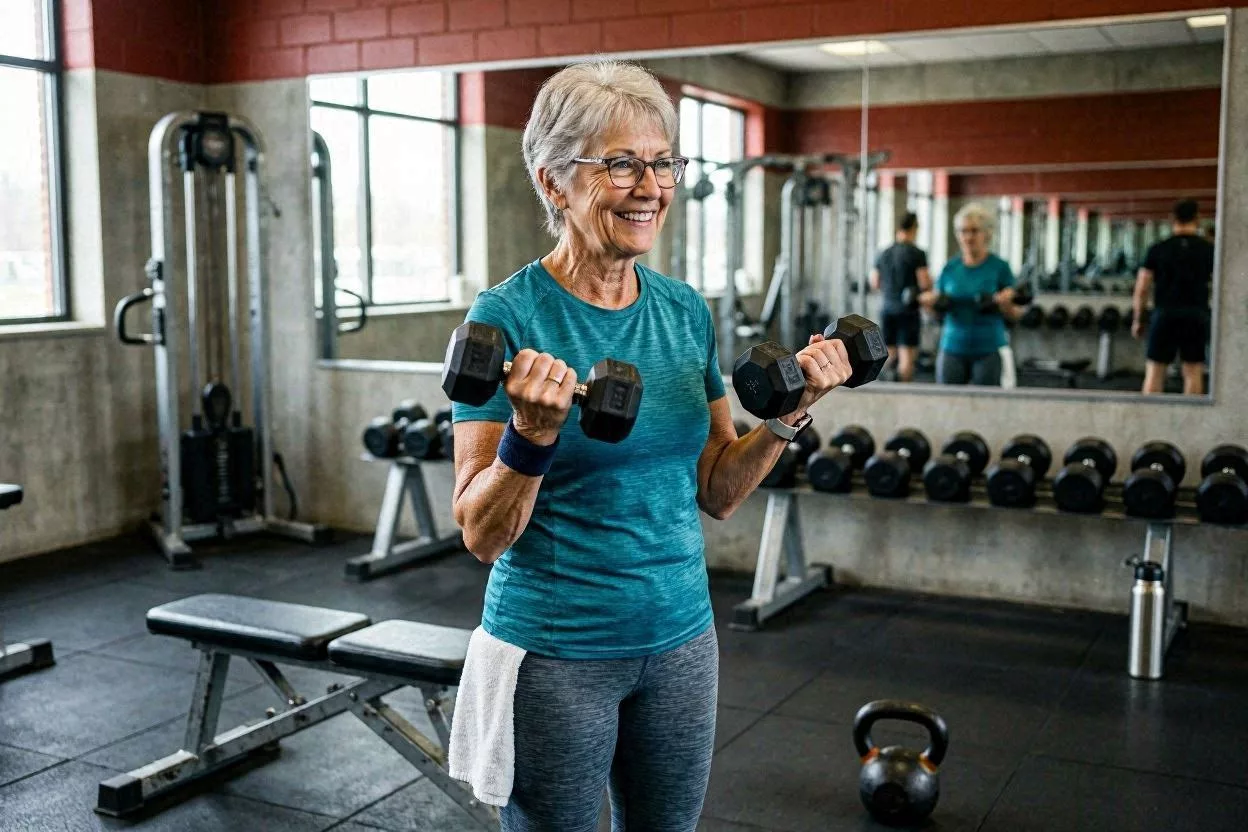
Starting with strength training, it’s all about building and maintaining muscle. Think lightweight dumbbells; these are your new best friends. Begin with small, consistent steps—like three sets of each with a bit of progression over time. This method will gently coax your muscles back into action without overdoing it.
Aerobic exercises, meanwhile, keep your heart happy and your bones sturdy. Activities like brisk walking, swimming, or cycling can be genuinely refreshing and enjoyable. Don’t fret if you’re not a gym-goer; daily activities that get your blood pumping count too!
Recovery is another piece of the puzzle you can’t overlook. Remember, your body’s pace is different now. Allow extra time for recovery between sessions—it’s how your body rebuilds and gets stronger.
Incorporate these exercises into a routine that respects your current abilities. Tailor the intensity and duration to what feels right for you, and adjust as you grow stronger and more confident. This balanced approach not only strengthens your body but contributes to a more rejuvenated and empowered lifestyle.
Overcoming Challenges and Embracing Aging with Discipline
Let’s not kid ourselves, starting a new habit can feel like trying to push a boulder uphill at times, especially when our patience isn’t what it used to be. But guess what? Discipline is your secret weapon here. Consistency, even when the going gets tough, will open doors you didn’t think possible.
It’s normal to face moments where you think progress is putting on the brakes. Slower progress can chip away at your motivation if you let it. This is a great time to channel determination and remind yourself of the personal victories achieved so far.
Having a robust support network can work wonders. Lean on friends, family, or even join a local group or class where the company of others can be both encouraging and motivating. It’s amazing what a shared goal can do to boost morale and keep you on track.
Among all this effort, don’t forget about some crucial lifestyle tweaks that can prop up your fitness journey. Eating well, staying hydrated, and getting enough sleep play a big part in how effective your fitness routine will be. And please don’t forget your brain because it needs exercise too. For that you could head on over to Wealthy Affiliate for some free info (and instruction) on how a newbie with no prior experience can start an internet business, a new skill in a box, and combining that with your exercise plan would keep the pep in your step solidly intact.
Preventing Falls and Reinforcing Mobility and Confidence
Muscle strength is like an unsung hero in the realm of physical health for seniors. By toning muscles through consistent practice, you’re combating one of the biggest concerns in aging: falls. Strong muscles mean better balance, and better balance means fewer accidents.
Gaining that confidence in your physical abilities spills over into every part of your life. Simple tasks like reaching for something high up or tackling stairs can become second nature again. This might sound like a small victory, but the boost in independence and self-esteem is huge.
Incorporating balance exercises can also be a game-changer. Things like tai chi or yoga can enhance your stability, making sure your feet stay firmly planted whether you’re standing, sitting, or trying to do the twist.
Beyond physical workouts, finding new experiences can magnify your fitness efforts. Exploring hobbies or activities that bring joy not only keeps the mind engaged but also reinforces the physical gains you’ve worked so hard for. Life’s more than just chalking off exercises; it’s about feeling lively and fulfilled.