
How Seniors Are Redefining Leisure Time is becoming a story of energy, curiosity and adventure rather than rocking chairs and quiet afternoons. Retirement used to carry a fairly predictable image. You worked for decades, retired, slowed down and perhaps took up a few quiet hobbies to occupy your time.
Well, that picture is changing—and changing fast.
Today’s active seniors are discovering that retirement can be the perfect time to do the things they never had time for while working. Some of us are traveling more. Others are learning new technology, taking up physically demanding hobbies, dancing, creating things with their hands or simply challenging themselves to learn something completely outside their comfort zone.
And here’s the interesting part: some of these pastimes aren’t what you might expect.
A healthy 70-year-old isn’t necessarily looking for something to do while sitting in a chair. He or she may be on a pickleball court, learning salsa dancing, planning a photography trip to another country or experimenting with a virtual reality headset.
The goal isn’t simply to stay busy. It’s to stay engaged with life. Here are five surprising pastimes that demonstrate just how dramatically seniors are redefining leisure time.
1. Dancing: The Hobby That Doesn’t Feel Like Exercise
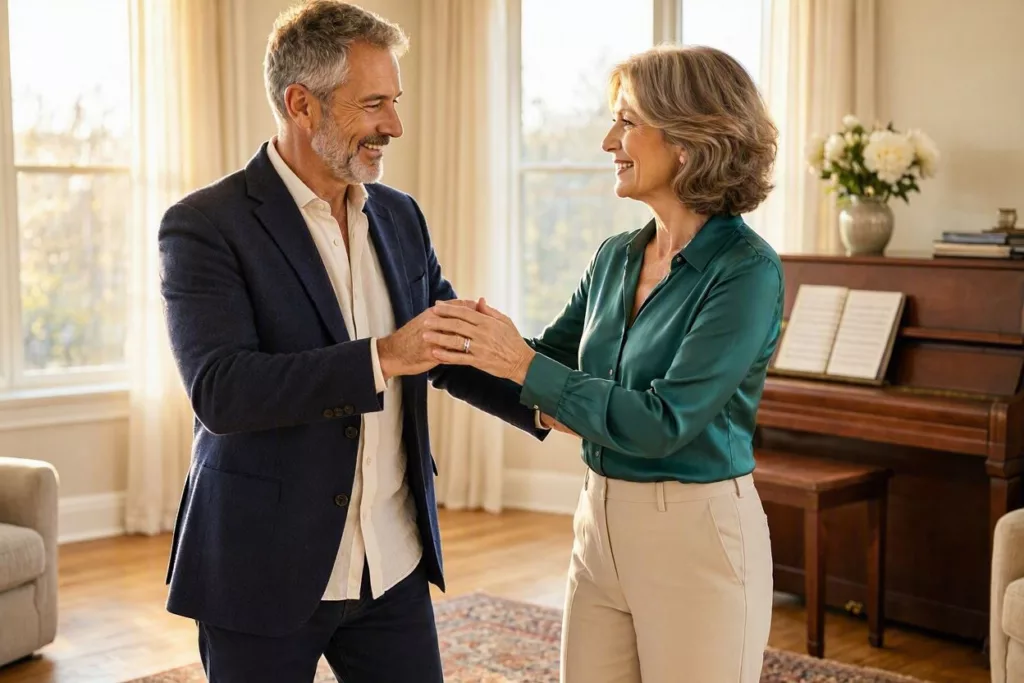
If you want to see just how much the traditional image of aging has changed, take a look at the growing number of older adults taking up dancing.
Ballroom dancing, salsa, swing, line dancing and even more energetic forms of dance are attracting people who may never have considered themselves dancers. And there’s a good reason.
Dancing combines movement, music, coordination, memory and social interaction. You’re not simply exercising your legs—you have to remember steps, react to your partner and stay aware of what is happening around you.
Best of all, it doesn’t necessarily feel like exercise.
Imagine a fit 72-year-old walking into a dance class after retirement. Perhaps he has never danced before. A few weeks later, he’s learning a salsa routine, laughing with classmates and discovering that his new hobby has introduced him to an entirely different social circle. That’s a pretty good use of a Tuesday evening.
For those who prefer something less strenuous, line dancing can provide many of the same benefits without requiring a partner. And for those who are already physically active, more energetic dance styles can become a surprisingly demanding workout. The important thing is to start at an appropriate level and increase the intensity gradually.
Where to start:
Check local recreation centers, YMCA locations, dance studios and community colleges for classes specifically geared toward adults and beginners.
2. Pickleball and Other “Young” Sports
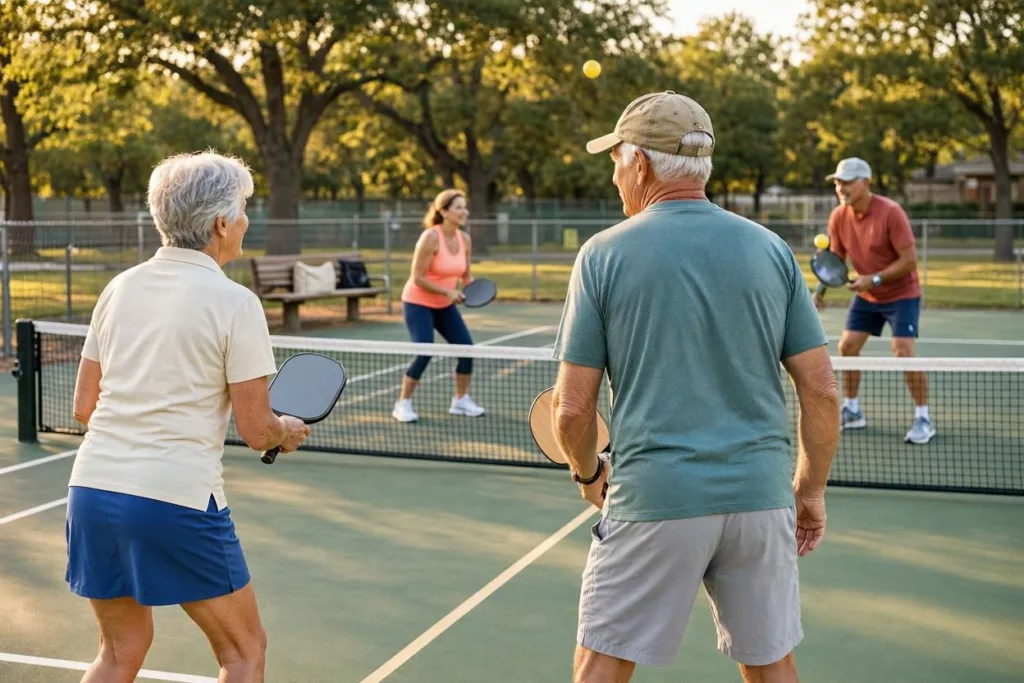
Pickleball is hardly a secret anymore, http://What Is Pickleball? The Amazing Story Behind America’s Fastest-Growing Sport but its popularity among older adults is still remarkable.
What makes it especially interesting is that it combines competition and exercise with an enormous social component. You can play casually with friends, join a local group or become considerably more competitive if that’s your personality. And pickleball isn’t alone.
Active seniors are also getting involved in tennis, golf, cycling, hiking, kayaking and even organized running events. The idea isn’t necessarily to prove that you can do everything you did at 30. It’s about discovering what your body can comfortably do now.
A 68-year-old who takes up pickleball may discover that the game becomes the reason he gets outside three mornings a week. A 74-year-old who joins a hiking group might find herself exploring trails she never knew existed. Someone else might rediscover cycling and turn weekend rides into mini-adventures.
There is another advantage here that shouldn’t be overlooked.
Sports create a reason to socialize.
Instead of saying, “We should get together sometime,” you have a specific date, place and activity already arranged. That can make forming new friendships considerably easier.
Of course, staying active doesn’t mean ignoring your body’s limitations. If you’ve been inactive for some time—or have concerns about beginning a new exercise program—it’s sensible to talk with your healthcare professional first and start gradually.
3. Technology, Gaming and Virtual Adventures
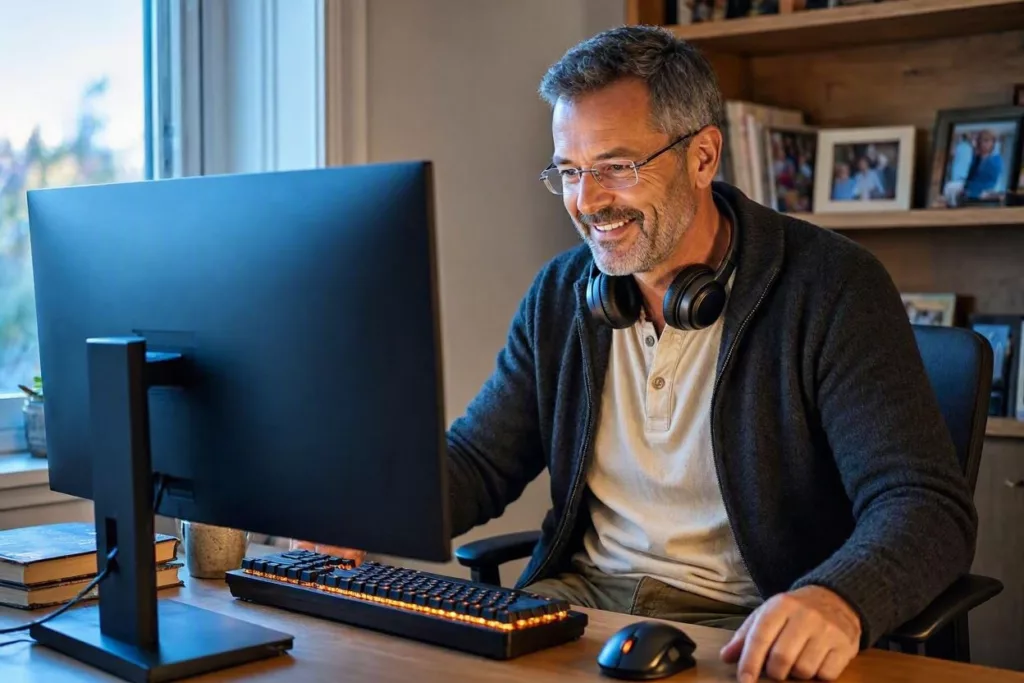
Here’s one that might surprise people who still think of video games as something teenagers do in dark bedrooms. Some seniors are gamers.
And there is a growing variety of technology-based leisure activities that go well beyond traditional video games. Older adults are discovering online strategy games, puzzle games, virtual reality experiences, digital photography, video editing and even virtual museum tours.
Virtual reality is particularly interesting because it can transport someone to places they might otherwise never visit. You can explore a famous museum, walk through an ancient city or experience an entirely different environment without getting on an airplane.
And technology isn’t only about entertainment.
And if this article inspires you to share your own experiences, start a blog, or build a website about your interests, a resource like Wealthy Affiliate can be worth mentioning because it provides training, tools, and community support for people who want to learn how to create and grow an online presence.
A senior who learns to edit videos might eventually create a family history project. Someone who becomes interested in photography could start an online portfolio. Another person might discover that blogging gives them an outlet for sharing travel experiences, recipes, woodworking projects or retirement adventures.
The technology may be new. The creativity certainly isn’t. In fact, this is one area where older adults have an enormous advantage: they have decades of experiences and stories to draw upon. Technology simply gives them new ways to share them.
If you’re interested but technology feels intimidating, don’t let that stop you. Public libraries, community centers and local senior organizations increasingly offer technology classes designed for beginners. You don’t need to become a computer expert. You just need to learn enough to get started.
4. Adventure Travel and the “Why Not Now?” Mentality

Travel has always been popular among retirees, but today’s active seniors are increasingly putting a different spin on it.
Instead of simply taking a relaxing vacation, they’re looking for experiences.
That might mean hiking through a national park, taking a photography tour, cycling through the countryside, joining a cultural tour or traveling specifically to attend a sporting or music event.
Some are even combining travel with their hobbies.
A retired photographer might organize a trip around spectacular landscapes. A birdwatcher can travel to locations known for unusual species. A golfer might build a vacation around famous courses. A history enthusiast can explore the places they’ve spent years reading about. Suddenly, the hobby and the vacation become the same thing. And there’s something wonderfully liberating about retirement travel. You don’t necessarily have to squeeze everything into a two-week vacation anymore. You may have the freedom to spend three weeks exploring one region rather than rushing through five countries.
For physically fit seniors, this can open up an entirely different world of possibilities.
Think hiking, cycling, walking tours, kayaking, snorkeling or simply exploring a new city on foot. The key is choosing adventures that match your fitness level and planning appropriately for weather, terrain and accessibility. The question isn’t necessarily, “Am I too old to do that?” A better question might be:
“If I want to do it, how can I do it safely?” That’s a very different mindset.
5. Making Things: From Woodworking to Pottery and Beyond
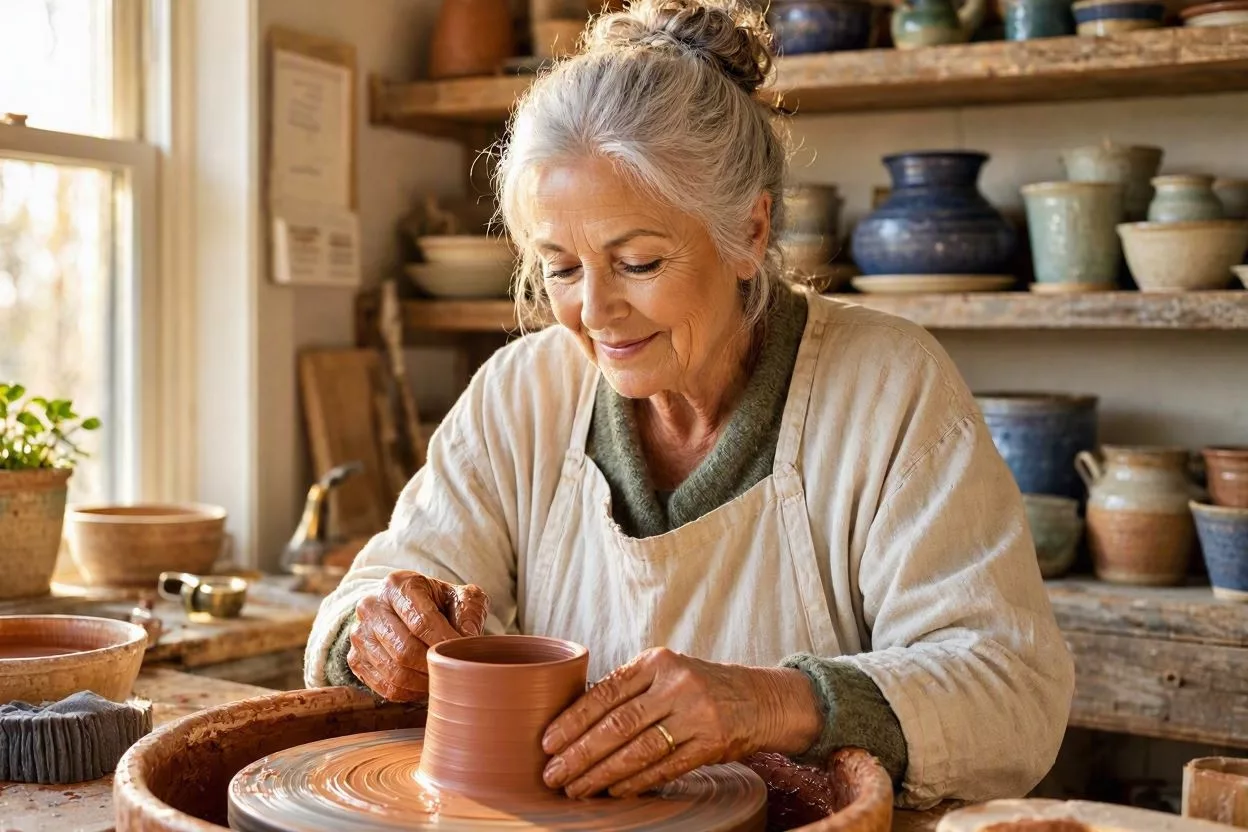
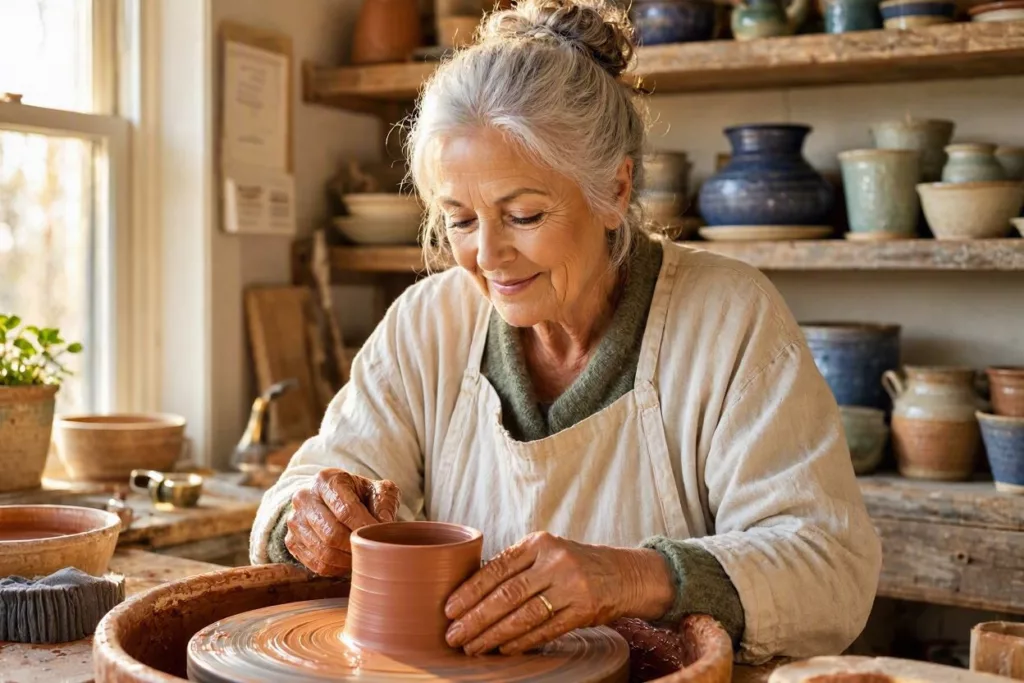
One of the most satisfying ways to spend retirement time is to make something you can actually hold in your hands. Woodworking, pottery, painting, jewelry making, metalworking, gardening and other hands-on hobbies are attracting older adults who want something more tangible than another evening watching television. https://sixtysevenandup.com/trending-hobbies-for-seniors-in-2026-2/
Woodworking is a particularly good example. Imagine someone who spent 40 years working in an office and suddenly discovers that he enjoys building furniture.
At first, he makes a simple bookshelf. Then perhaps a table. Eventually, he might be producing pieces that friends and family actually ask him to make.
The same thing happens with pottery, painting and other creative pursuits.
The beginner’s project may not be particularly impressive. That’s okay.
The satisfaction comes from learning. And there’s something psychologically rewarding about looking at a finished object and being able to say, “I made that.”
These hobbies can also provide a wonderful balance to a technology-heavy world.
After spending hours on a computer or smartphone, there is something refreshing about picking up a paintbrush, working with clay or measuring a piece of wood.
You’re using your hands, your eyes and your brain at the same time. And you may discover a talent you never knew you had.
Retirement isn’t the end of the adventure
Perhaps the biggest change in how seniors are spending their leisure time isn’t any particular hobby. It’s the attitude behind it.
Today’s retirees are increasingly asking themselves what they want to do rather than simply what they are expected to do. That distinction matters. Retirement can provide something that was often in short supply during the working years: time.
Time to learn.
Time to travel.
Time to exercise.
Time to create.
Time to meet people.
And perhaps most importantly, time to experiment.
You don’t have to become an accomplished dancer, marathon runner, woodworker or world traveler. You don’t even have to stick with the first hobby you try.
That’s part of the fun.
Try something. If you enjoy it, keep going. If you don’t, try something else.
There are no retirement rules that say you have to spend your free time doing what everyone else your age is doing. In fact, one of the most exciting aspects of how seniors are redefining leisure time is that there may no longer be a standard definition of what a senior is supposed to do.
A fit 70-year-old might spend Saturday morning playing pickleball, Sunday afternoon working on a woodworking project and Tuesday evening learning salsa dancing. Another might be planning her next international adventure.
Someone else might be sitting at home wearing a virtual reality headset and exploring the streets of Rome. They’re all doing the same thing in their own way:
They’re still discovering what’s next. And perhaps that’s the best part of this new chapter of life.
Retirement isn’t necessarily about slowing down.
Sometimes, it’s about finally having the freedom to decide where you’re going next.