How To Enjoy Exercising More.
For Seniors Over 70.
Exercise Isn’t Just for the Young – It’s One of the Best Gifts You Can Give Yourself.
As we get older, I’ve discovered that exercise isn’t about trying to stay young—it’s literally about staying capable. Let’s face it: the word exercise doesn’t always conjure up feelings of excitement in us. It may remind us of high school gym class sweating, sore muscles the next day, or the feeling that we are “too old” to exercise now.
The reality is that the opposite is true. Regardless of your age, 60, 70, 80, or beyond, staying active by regularly moving our bodies is one of the most loving and gentle actions we can do for ourselves. It’s not necessary to be a marathoner or to work out at the gym. In fact, there are some really great ways to exercise that are also pretty simple!
I often think of exercise less as “working out” and more as keeping life enjoyable. Every walk, every stretch, every gentle movement is really an investment in staying independent and continuing to do the things you love.
Enjoy More Freedom Every Day
One of the first benefits many older adults notice isn’t weight loss or bigger muscles.
It’s freedom.
Climbing stairs becomes easier. Carrying shopping bags doesn’t seem quite so difficult. Getting out of a chair, bending down to tie your shoes, reaching for something on a high shelf, or playing with grandchildren all become a little easier.
Those small improvements add up to something very important—independence.
Most of us want to remain active in our own homes for as long as possible, and regular exercise is one of the best ways to make that happen.
Your Mind Benefits as Much as Your Body
Many people are surprised to discover that exercise is just as good for the brain as it is for the body.
Have you ever noticed how much better you feel after taking a walk outside? Perhaps your worries seem a little smaller or your mood has lifted without really knowing why.
There’s a good reason for that.
Physical activity encourages your body to release natural chemicals called endorphins, often referred to as the body’s “feel-good” hormones. They help reduce stress, ease anxiety, improve mood, and may even help you sleep more soundly at night.
On days when life feels a little overwhelming, a twenty-minute walk around the neighborhood can sometimes do more for your outlook than another hour sitting in front of the television.
Protecting Your Health for the Future
Exercise is one of the few things that benefits almost every part of the body.
Regular physical activity may help lower the risk of:
- Heart disease
- High blood pressure
- Type 2 diabetes
- Osteoporosis
- Falls caused by poor balance
- Certain forms of cognitive decline
Perhaps even more importantly, exercise helps you stay healthier for longer, allowing you to spend less time worrying about medical appointments and more time enjoying family, hobbies, travel, and everyday life.
Exercise Doesn’t Have to Be a Solo Activity
One of the nicest surprises about becoming more active is the people you meet along the way.
Whether it’s joining a local walking group, attending a gentle yoga class, playing pickleball, or participating in water aerobics, exercise often becomes a social event rather than a chore.
Friendships are formed. Conversations happen. Laughter becomes part of the routine.
Sometimes the best reason to show up isn’t the exercise itself—it’s catching up with the friends you’ve made.
Finding an Activity You’ll Actually Look Forward To
Here’s a little secret.
The best exercise isn’t necessarily the one that burns the most calories.
It’s the one you’ll actually keep doing.
If you dislike jogging, don’t jog.
If lifting weights sounds miserable, choose something else.
There are countless enjoyable ways to stay active, including:
- Walking through local parks
- Gardening
- Dancing around the living room to favorite songs
- Swimming or water aerobics
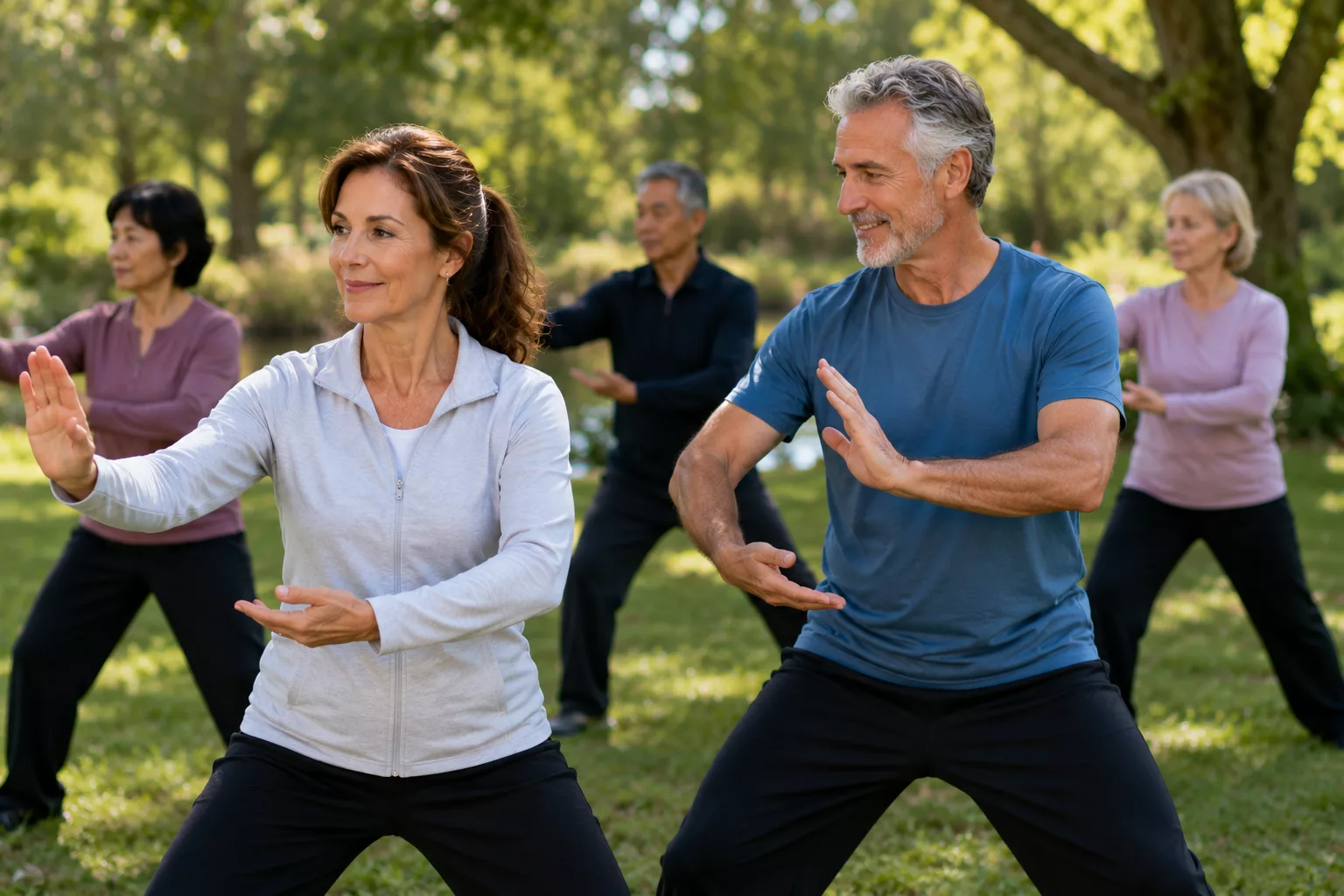
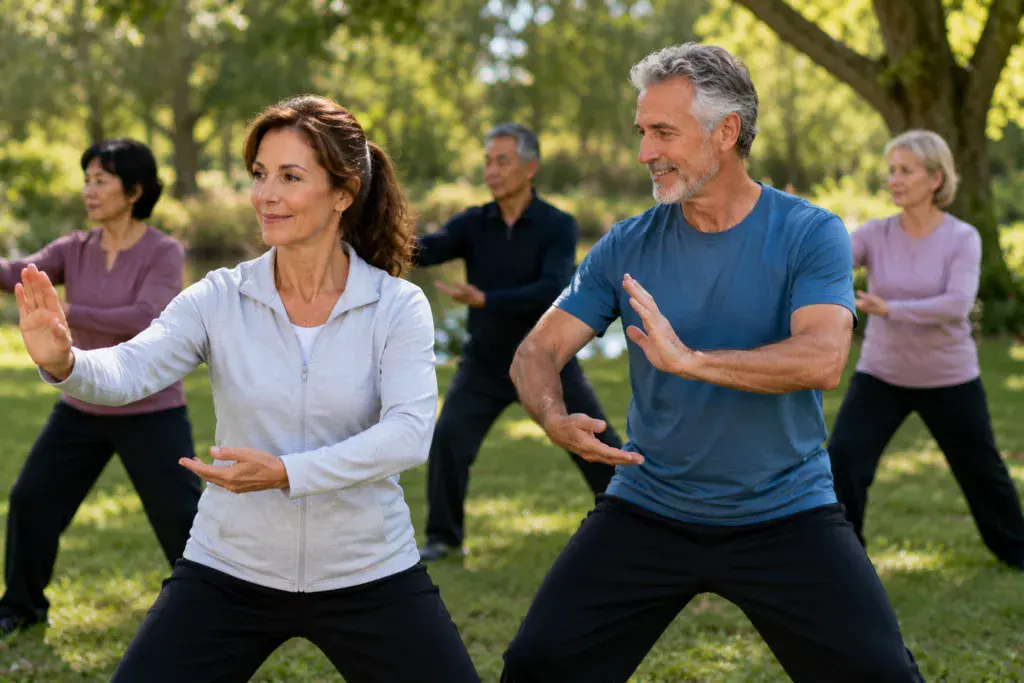
- Gentle yoga or Tai Chi
- Cycling
- Pickleball
- Bird watching while walking nature trails
The goal isn’t perfection.
The goal is movement.
When exercise feels like fun instead of punishment, consistency comes naturally.
Variety Keeps Things Interesting
Doing the same routine every day can become boring for anyone.
Try mixing things up.
Perhaps take a walk on Monday, attend a fitness class on Wednesday, do some gardening on Friday, and spend the weekend exploring a local nature trail.
Changing your activities challenges different muscles while keeping your enthusiasm alive.
After all, retirement is supposed to offer freedom. Your exercise routine should reflect that.
Start Small and Celebrate Every Success
One mistake many people make is trying to do too much too quickly.
Remember, you’re not competing with anyone.
Maybe your first walk lasts only ten minutes.
That’s perfectly fine.
Next week it might become fifteen.
A month later you may be walking comfortably for half an hour without even thinking about it.
Progress happens gradually.
Keep a simple journal or calendar where you record your activities. Looking back over several weeks often reveals just how far you’ve come, even if the improvements seem small day to day.
Every step forward deserves recognition.
Find the Time That Fits Your Lifestyle
Some people enjoy exercising first thing in the morning while the day is still cool and quiet.
Others prefer an afternoon stroll or an evening walk after dinner.
There isn’t a “best” time.
The best time is simply the one you’ll stick with.
By making exercise part of your daily routine, it gradually becomes as natural as brushing your teeth.
Everything Is Easier with Encouragement
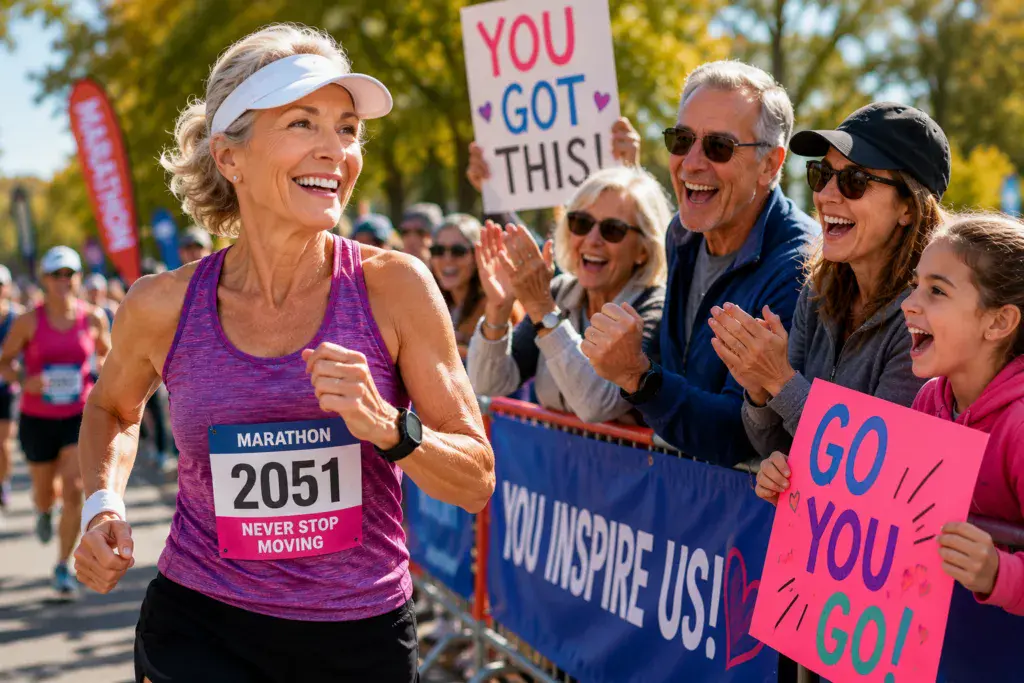
Having someone to exercise with can make all the difference.
It could be your spouse, a neighbor, a family member, or even your dog.
Knowing someone is expecting you often provides just enough motivation to lace up your shoes when you’d rather stay on the couch.
And don’t underestimate the encouragement grandchildren can provide. Many older adults find enormous joy in keeping active simply to have the energy to keep up with younger family members.
Overcoming Common Concerns
It’s perfectly normal to have concerns about starting an exercise routine.
You may worry about arthritis, aching joints, previous injuries, or simply feeling out of shape.
The important thing is to work with your body rather than against it.
If you have an existing medical condition, speak with your healthcare provider before beginning a new exercise program. They can recommend activities that are both safe and appropriate for your situation.
Remember, there’s almost always a modified version of an exercise that allows you to remain active comfortably.
Listen to Your Body
There’s an old saying:
“No pain, no gain.”
For older adults, that’s often poor advice.
Exercise should challenge you, but it shouldn’t leave you in pain.
Some muscle soreness after trying something new is perfectly normal, but sharp pain isn’t.
Rest when needed.
Stay hydrated.
Wear supportive footwear.
Most importantly, listen to what your body is telling you.
Energy Often Comes from Moving
It may seem backwards, but many people discover they actually have more energy after becoming more active.
Regular movement improves circulation, strengthens the heart, helps regulate sleep, and boosts overall stamina.
Even if you’re feeling tired, a gentle ten-minute walk can often leave you feeling more refreshed than another hour in your favorite chair.
Celebrate Every Milestone
Success isn’t measured only by pounds lost or miles walked.
Success might be:
- Sleeping better.
- Feeling happier.
- Having more energy.
- Climbing stairs without stopping.
- Playing with grandchildren.
- Carrying groceries more easily.
- Feeling more confident.
These are the victories that truly matter.
And if this article inspires you to share your own experiences, start a blog, or build a website about staying fit or other interests, a resource like Wealthy Affiliate can be worth mentioning because it provides training, tools, and community support for people who want to learn how to create and grow an online presence.
Keep Moving—and Keep Living
Perhaps the greatest reward of regular exercise isn’t simply adding years to your life.
It’s adding life to your years.
Every walk, every stretch, every game of pickleball, every swim, and every dance around the kitchen helps build a healthier, happier future.
You’re never too old to become stronger.
You’re never too old to improve your balance.
You’re never too old to enjoy moving.
The important thing is simply to begin.
One step today can lead to a healthier tomorrow.