
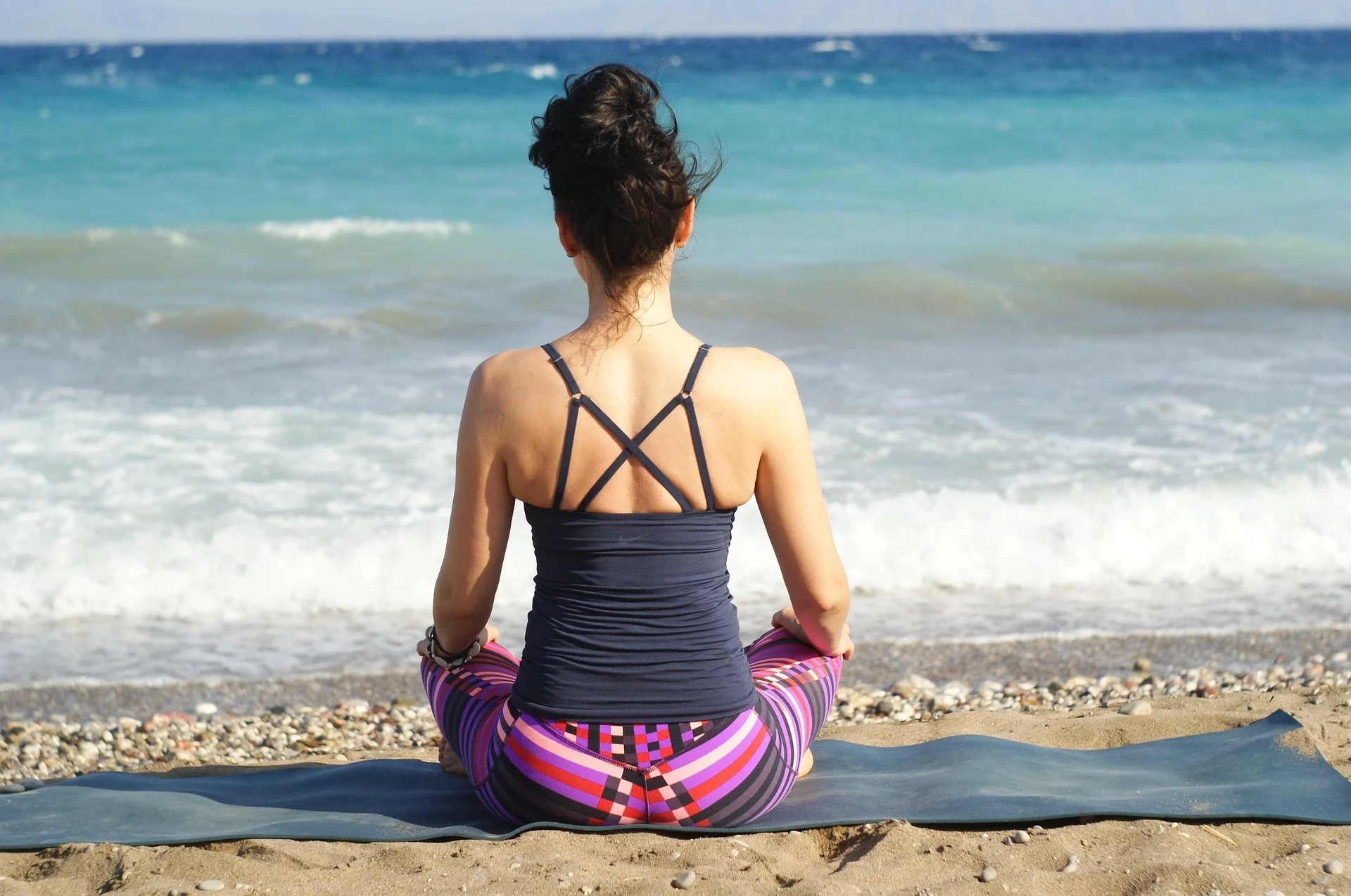
How Meditation Helps with Senior Loneliness: Finding Peace, Connection, and Joy Later in Life.

Aging is often accompanied by a wealth of wonderful blessings such as wisdom, understanding, or extra leisure time for enjoying the finer things in life. However, loneliness is an unfortunate and unexpected companion in growing old.
For many seniors, loneliness has nothing to do with being alone at all, as many older adults can feel lonely even in the midst of others. Loneliness comes from that quiet disconnection that can occur with the slow drifting off of life’s milestones. As children move to their own places to live, as friends die and move on.
As the pace of life slows with retirement or disability, seniors may feel they are simply no longer a part of the world’s ever-changing pace. The effects of loneliness can be far-reaching and, if not addressed, can take a significant toll on a senior’s overall health.
Research has linked chronic loneliness to increased risks of:
- Depression and anxiety
- Sleep problems
- High blood pressure and heart disease
- Weakened immune function
- Memory problems and cognitive decline
According to the U.S. National Institute on Aging, social isolation and loneliness are increasingly recognized as major health concerns among older adults. In fact, some researchers suggest that prolonged loneliness may be as harmful to health as smoking or obesity.
The good news? There are gentle, accessible ways to help ease these feelings—and meditation is one of the most powerful.
Why Meditation Can Be So Helpful for Lonely Seniors

Meditation has been practiced for thousands of years, but modern science is only now fully understanding just how beneficial it can be.
At its heart, meditation teaches us to slow down and become present in the moment. Instead of dwelling on losses from the past or worrying about the future, meditation gently brings attention back to the here and now.
For seniors experiencing loneliness, this simple shift can be incredibly healing.
Meditation can help by:
- Reducing feelings of stress and sadness
- Improving emotional resilience
- Encouraging self-compassion
- Creating a greater sense of inner peace
- Helping people feel more connected to themselves and others
Many seniors discover that meditation becomes a comforting daily companion—something they can turn to whenever feelings of loneliness arise.
The Science Behind Meditation and Emotional Well-Being
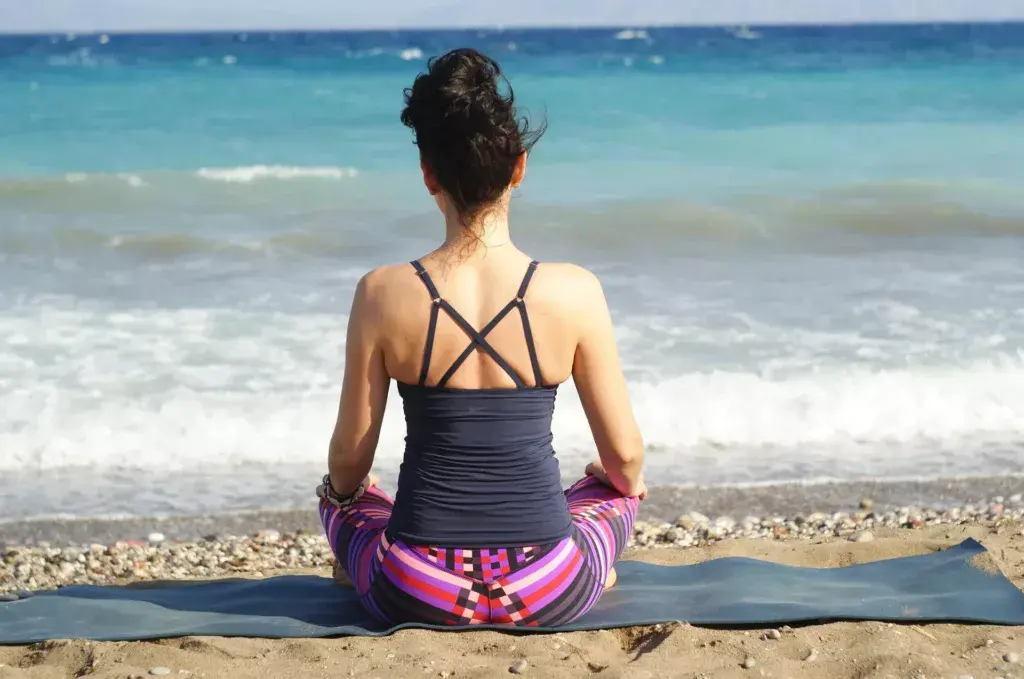
Scientists have found that meditation can actually change the brain in positive ways.
Brain imaging studies have shown that regular meditation may:
- Lower activity in areas associated with fear and anxiety
- Strengthen regions related to emotional regulation
- Increase feelings of empathy, gratitude, and compassion
- Reduce stress hormones such as cortisol
Researchers from Harvard Medical School have found that mindfulness meditation can produce measurable changes in brain areas associated with learning, memory, emotional regulation, and perspective.
In simple terms, meditation helps train the mind to respond to life’s challenges with greater calm and acceptance.
For seniors dealing with grief, major life transitions, or social isolation, this emotional resilience can be tremendously valuable.
Case Study #1: Carnegie Mellon University Study on Loneliness
One particularly interesting study from Carnegie Mellon University found that mindfulness meditation can significantly reduce feelings of loneliness among older adults.
Researchers asked adults aged 55 to 85 to participate in an eight-week mindfulness meditation program. The results were remarkable.
Participants reported:
- Reduced feelings of loneliness
- Improved emotional well-being
- Lower levels of inflammatory markers linked to disease
This finding is important because chronic inflammation has been associated with conditions such as heart disease, Alzheimer’s disease, and depression.
The researchers concluded that mindfulness meditation may not only improve emotional health but could also provide physical health benefits as well.
Case Study #2: UCLA Research on Brain Health and Memory

Researchers at the University of California, Los Angeles (UCLA) have conducted several studies examining meditation and aging.
One study found that long-term meditators showed better preservation of brain gray matter as they aged compared with non-meditators.
Gray matter is important because it plays a major role in:
- Memory
- Decision-making
- Emotional regulation
- Learning
Although meditation cannot stop aging, the findings suggest that it may help support healthier brain aging and potentially reduce some of the cognitive impacts associated with chronic loneliness and stress.
Case Study #3: AARP and Healthy Aging Research
Surveys supported by AARP have consistently found that older adults who regularly practice mindfulness activities, including meditation, report:
- Lower stress levels
- Better sleep quality
- Increased optimism
- Greater feelings of social connection
Many participants reported that meditation helped them become more comfortable with solitude and less overwhelmed by feelings of loneliness.
Several seniors described meditation as giving them “a sense of companionship with themselves,” helping them rediscover joy in everyday moments.
Simple Meditation Techniques for Seniors
One of the wonderful things about meditation is that anyone can do it. No special equipment or physical fitness is required.
1. Mindfulness Meditation
This is perhaps the easiest place to start.
Simply sit comfortably and focus on your breathing. Notice each inhale and exhale.
If your mind wanders—and it certainly will—gently bring your attention back to your breath.
Even five minutes a day can make a difference.
2. Guided Imagery

Guided imagery involves imagining peaceful places or happy memories.
You might picture:
- Walking along a quiet beach
- Sitting beside a peaceful lake
- Remembering a favorite family vacation
This technique can be especially comforting for seniors who miss loved ones or struggle with feelings of isolation.
3. Loving-Kindness Meditation
This type of meditation is particularly powerful for loneliness.
During the exercise, you silently repeat phrases such as:
- May I be peaceful.
- May I be healthy.
- May I be happy.
You then extend these wishes to family members, friends, and eventually to all people.
Research suggests this practice can increase feelings of compassion, warmth, and social connection.
4. Deep Breathing Exercises
Sometimes the simplest methods are the most effective.
Try this:
- Slowly inhale for four seconds.
- Hold for two seconds.
- Exhale gently for six seconds.
Repeat several times.
Deep breathing calms the nervous system and can quickly reduce anxiety and sadness.
Meditation Can Create a Sense of Purpose

One of the lesser-known benefits of meditation is that it often helps people reconnect with a sense of meaning.
Retirement, health changes, and the loss of loved ones can sometimes leave seniors wondering about their purpose.
Meditation creates quiet space for reflection and gratitude.
Many seniors discover:
- Greater appreciation for everyday experiences
- Renewed interest in hobbies
- Increased desire to connect with others
- A stronger sense of inner strength
In many cases, meditation becomes much more than a relaxation tool—it becomes a daily source of comfort and hope.
Technology Is Making Meditation More Accessible

Today, seniors have more opportunities than ever to explore meditation.
Many free or inexpensive resources are available, including:
- YouTube guided meditations
- Meditation apps designed for beginners
- Senior center wellness classes
- Online mindfulness communities
- Virtual meditation groups
These resources can also help combat loneliness by creating opportunities for social interaction and shared experiences.
And if this article inspires you to share your own experiences, start a blog, or build a website about meditation or other interests, a resource like Wealthy Affiliate can be worth mentioning because it provides training, tools, and community support for people who want to learn how to create and grow an online presence.
Final Thoughts: It’s Never Too Late to Begin
Loneliness can affect anyone, especially as we grow older. But it doesn’t have to define our later years.
Meditation offers something simple yet incredibly powerful: a way to reconnect—with ourselves, our emotions, and ultimately with others.
Even just a few minutes each day can help bring greater calm, resilience, and a renewed appreciation for life.
Perhaps the greatest gift meditation offers seniors is this gentle reminder:
You are never truly alone when you learn to become your own compassionate companion.
If you or someone you love has been struggling with loneliness, meditation may be one small step that leads to a happier, healthier, and more connected life.
Sources and Further Reading
- National Institute on Aging – Social Isolation and Loneliness in Older Adults
- Harvard Medical School – Meditation and Changes in Brain Structure
- Carnegie Mellon University – Mindfulness Meditation Reduces Loneliness in Older Adults
- University of California, Los Angeles (UCLA) – Meditation and Healthy Brain Aging
- AARP – Healthy Aging and Mindfulness Research