
How Older Adults Can Defend Themselves: Practical Ways to Stay Safe, Confident, and Independent
There was a time when we all felt pretty safe doing simple things like walking through parking lots at night, answering the door without a second thought, or taking a leisurely stroll around the neighborhood. Sadly, things are different now. Most people are genuinely kind and honest, but there are some who are always looking for an easy target, especially when it comes to older adults.
But don’t worry; this isn’t meant to scare you—it’s about being ready. One of the best parts of retirement is the freedom to explore and enjoy life. Whether you’re out shopping, traveling, visiting friends, or just walking around your block, you should feel safe. The great news is that staying safe as an older adult isn’t about being physically strong or a martial arts expert. It’s really about being aware, confident, and prepared, which can help you avoid becoming a target.
The reality is that criminals generally aren’t looking for a fight. They’re looking for someone they believe won’t fight back. They often choose victims who appear distracted, vulnerable, or unaware of their surroundings. Fortunately, those are characteristics you can change.
In fact, the most effective form of self-defense for seniors often begins long before any confrontation occurs.
Why Criminals Target Older Adults
No one likes to think about becoming a victim of crime, but understanding how criminals think is one of the best ways to avoid becoming one.
Most criminals are opportunists. They don’t wake up planning to attack a particular person. Instead, they look for someone who appears easy to intimidate or unlikely to resist.
Unfortunately, older adults sometimes fit that profile.
A senior carrying several shopping bags may have difficulty reacting quickly. Someone concentrating on finding their car keys may not notice another person approaching. A person walking with their head down while looking at a phone may be completely unaware that someone has been watching them for several minutes.
None of these situations make someone weak. They simply create opportunities that criminals may try to exploit.
The locations where these crimes often occur are surprisingly ordinary:
- Grocery store parking lots
- Shopping malls
- ATM machines
- Gas stations
- Walking trails
- Public transportation
- Apartment entrances
- Hotel corridors
- Even your own front doorstep
Many scams also begin with a knock at the door or an unexpected conversation in a parking lot. A stranger asking for directions, requesting help, or creating a distraction may have motives that aren’t immediately obvious.
This doesn’t mean you should become suspicious of everyone you meet. Most strangers are perfectly harmless. The goal is simply to develop the habit of paying attention before a situation develops into a problem.
The Best Self-Defense Tool You Already Own
When people think about personal safety for older adults, they often imagine pepper spray, whistles, walking canes, or personal alarms.
Those are all valuable tools, and we’ll discuss them later.
But the most effective defensive tool you’ll ever carry is your mind.
Good judgment, awareness, and confidence prevent far more crimes than any gadget ever will.
Police officers often say that the best fight is the one you never have.
That’s especially true for seniors.
The objective isn’t to overpower someone. It’s to recognize danger early enough to avoid it altogether.
Think about it this way. If you notice someone behaving suspiciously while you’re still fifty yards away, you can simply change direction, enter a nearby store, return to your car, or cross the street.
If you don’t notice them until they’re standing three feet away, your options become much more limited.
Awareness creates choices.
Developing a Defensive Mindset
One of the biggest misconceptions about self-defense is believing it’s something you only think about when trouble starts.
In reality, effective senior crime prevention begins before you even leave the house.
Professional security experts often speak about maintaining a “defensive mindset.” That doesn’t mean living in fear. It means developing simple habits that become second nature.
Before leaving home, ask yourself a few basic questions.
Where am I going?
Will I be returning after dark?
Is my phone fully charged?
Do I have my emergency contacts available?
Am I carrying the personal safety tools I normally use?
These questions take less than a minute to answer but can make a tremendous difference if something unexpected happens.
Just as importantly, give yourself permission to trust your instincts.
Have you ever walked into a situation that simply didn’t feel right?
Perhaps someone was loitering near your vehicle.
Maybe a parking garage suddenly seemed deserted.
Perhaps a stranger was paying you an unusual amount of attention.
Too many people ignore these feelings because they don’t want to appear rude or overly cautious.
Don’t.
Your instincts are the result of your brain processing subtle information you may not even consciously recognize.
If something feels wrong, leave.
You don’t owe anyone an explanation.
Confidence Is One of Your Strongest Defenses
Here’s something that many people don’t realize.
Criminals spend far more time watching potential victims than victims spend watching them.
They notice body language.
They observe posture.
They look for distraction.
They look for hesitation.
Someone walking confidently with their head up, making eye contact, and moving with purpose sends a very different message than someone who appears confused or unaware.
You don’t need to look intimidating.
You simply need to look alert.
Small changes can make a remarkable difference.
Walk with your shoulders back.
Keep your head up.
Avoid staring continuously at your phone.
If you’re carrying shopping bags, pause occasionally and look around.
If you’re walking alone, glance behind you from time to time—not nervously, but naturally.
These simple habits communicate that you’re paying attention.
Many criminals prefer victims who aren’t.
Independence and Preparation Go Hand in Hand
One of the wonderful things about retirement is having the freedom to travel, explore new places, enjoy hobbies, and spend time with family and friends.
None of that should change because crime exists.
In fact, learning how older adults can defend themselves is really about preserving that freedom.
Preparation isn’t paranoia.
Preparation is confidence.
When you know you’ve taken sensible precautions, you’re more likely to enjoy life instead of worrying about what might happen.
Over the years I’ve come to believe that growing older doesn’t mean becoming helpless—it means becoming wiser. We learn to recognize risks, make better decisions, and avoid unnecessary danger. Those life experiences are one of our greatest strengths.
The goal isn’t to become a fighter.
It’s to become someone that criminals decide isn’t worth the risk.
How Older Adults Can Defend Themselves
Part 2 – Situational Awareness: Your Most Powerful Self-Defense Skill
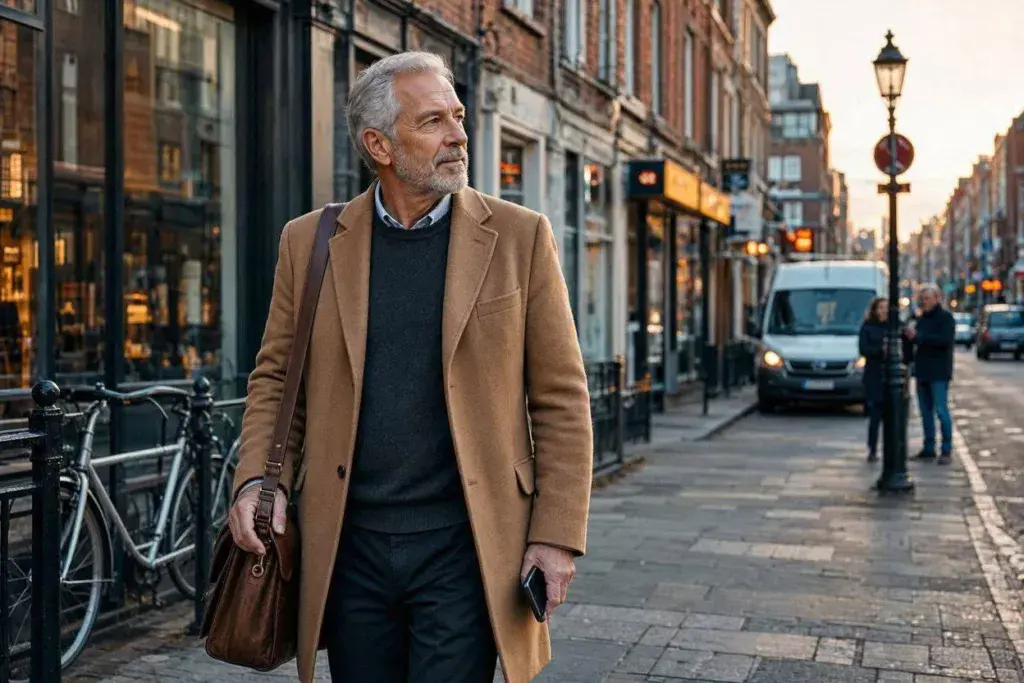
If you remember only one thing from this article, let it be this:
The best self-defense is avoiding the confrontation altogether.
Police officers, security professionals, and self-defense instructors all agree that awareness is your greatest weapon. Long before pepper spray, a personal alarm, or any other defensive tool comes into play, your ability to recognize danger early gives you the greatest advantage.
The encouraging news is that situational awareness isn’t something you’re born with. It’s a habit that anyone can develop, regardless of age or physical ability.
Learn to Look Up
Take a moment the next time you’re in a shopping center or grocery store. You’ll probably notice several people walking while looking down at their phones, wearing earbuds, or pushing a shopping cart without paying attention to what’s happening around them.
Unfortunately, that’s exactly what criminals hope to see.
Whether you’re walking through a parking lot, strolling around your neighborhood, or waiting for public transportation, make a conscious effort to keep your head up.
Look ahead.
Notice who’s nearby.
Be aware of vehicles that seem to be moving unusually slowly.
Pay attention to anyone who appears to be watching people rather than going about their own business.
This doesn’t mean constantly looking over your shoulder or acting suspiciously. It simply means being present instead of distracted.
One small habit can make an enormous difference.
Trust Your Instincts
Have you ever had that uneasy feeling that something just wasn’t right?
Perhaps someone seemed to be following you through several aisles of a store.
Maybe a person lingered near your vehicle longer than seemed necessary.
Or perhaps a stranger approached you with an elaborate story designed to distract you.
Too often we ignore those feelings because we don’t want to appear rude.
Don’t.
Your intuition is often your subconscious mind recognizing patterns before your conscious mind catches up.
If something feels wrong:
- Walk into a busy store.
- Return to customer service.
- Ask a store employee for assistance.
- Move toward other people.
- Call a family member while walking.
- If necessary, call 911.
There is absolutely no embarrassment in leaving a situation that makes you uncomfortable.
Criminals Look for Easy Opportunities
One important thing to understand is that most criminals aren’t searching for the strongest victim.
They’re searching for the easiest one.
Professional security experts often describe criminals as making quick mental calculations.
Who looks distracted?
Who appears confused?
Who is carrying expensive shopping bags?
Who is struggling to load groceries?
Who has both hands full?
Who is walking alone?
Who appears unaware of their surroundings?
If you don’t fit that description, many opportunistic criminals simply move on.
That’s encouraging because it’s something completely within your control.
Parking Lots Require Extra Attention
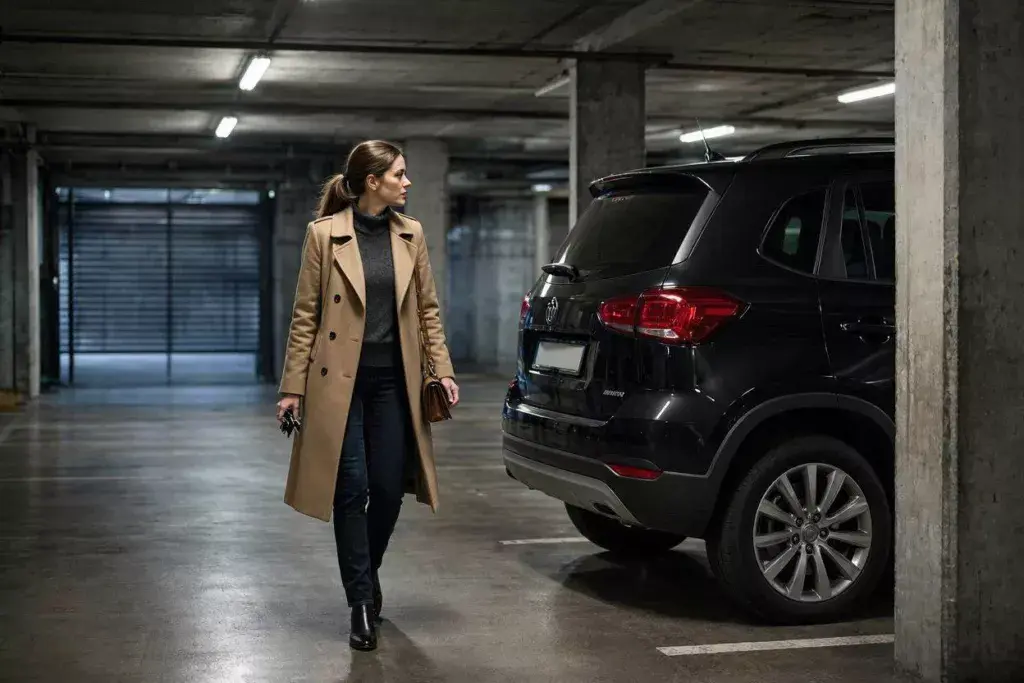
Parking lots deserve special mention because they combine several factors criminals like.
People are often distracted.
They’re looking for their vehicles.
They’re carrying purchases.
They’re searching for keys.
They’re concentrating on loading groceries rather than watching what’s happening around them.
Whenever possible:
Keep your keys ready before you leave the store.
Avoid digging through your purse or pockets while standing beside your vehicle.
Take a quick look around before unlocking your car.
If you notice someone lingering nearby for no obvious reason, don’t approach your vehicle.
Go back inside the store.
Ask for security if necessary.
Once inside your car, lock the doors immediately.
Many people sit in their parked vehicle checking text messages or programming their GPS before driving away.
That’s another habit worth changing.
Start the car.
Lock the doors.
Drive to a safer location before stopping to use your phone.
Be Careful at ATMs
ATMs remain attractive places for thieves because they know people are handling cash.
Whenever possible:
Use ATMs during daylight hours.
Choose machines located inside banks or busy supermarkets.
Avoid isolated machines.
Look around before beginning your transaction.
If anything feels unusual, leave and return later.
After withdrawing money, put it away immediately instead of counting it where others can see.
Simple precautions like these greatly improve your personal safety as an older adult.
Walking Safely
Walking is one of the healthiest activities older adults can enjoy, and nothing in this article should discourage you from getting outside.
Instead, adopt a few smart habits.
Walk in well-lit, populated areas whenever possible.
Avoid shortcuts through deserted alleys or isolated parks.
If you regularly walk the same route, occasionally change your routine.
If you enjoy walking early in the morning or after sunset, consider walking with a friend or joining a local walking group.
Leave one ear free if you’re listening to music so you can hear approaching vehicles or footsteps.
Better still, save the headphones for home and enjoy being fully aware of your surroundings.
Don’t Advertise Valuables
Many thefts happen because valuables are displayed unnecessarily.
Keep wallets out of sight.
Carry handbags securely across your body rather than dangling from one shoulder.
Avoid leaving purses unattended in shopping carts.
Keep expensive jewelry discreet when travelling.
If you’re carrying cash, divide it into different pockets instead of keeping everything in one place.
These small changes make you a far less attractive target.
Home Doesn’t Always Mean Safe
Many criminals don’t force their way into homes.
They are invited.
Unfortunately, scams targeting seniors have become increasingly sophisticated.
Someone may claim to represent:
- A utility company
- A roofing contractor
- A charity
- A government agency
- A delivery service
- A home maintenance company
Never feel pressured to open your door immediately.
Use a peephole, window, or video doorbell if you have one.
Ask for identification.
If you’re uncertain, don’t open the door.
A legitimate visitor won’t object if you verify who they are first.
The Importance of Personal Space
One surprisingly effective self-defense technique requires no equipment at all.
Maintain distance.
If a stranger approaches too closely, take a step backward.
If they move closer again, increase the distance.
Distance gives you time.
Time gives you options.
Those options may include leaving, attracting attention, using a personal safety alarm, or reaching for another defensive tool if absolutely necessary.
Remember, you don’t have to stand politely while someone invades your personal space.
Make Yourself a Difficult Target
One of the simplest ways to improve self-defense for seniors is to project confidence.
Walk with purpose.
Make brief eye contact with people around you.
Keep your shoulders back.
Avoid appearing lost or uncertain.
If you need directions, step inside a business rather than standing on the sidewalk studying a map or your phone.
Confidence isn’t about pretending to be fearless.
It’s about showing that you’re alert and aware.
Criminals generally avoid people who appear prepared.
Awareness Is a Daily Habit
Situational awareness isn’t something you switch on only when you’re worried.
It becomes part of the way you move through life.
Within a few weeks, these habits become completely natural.
You’ll find yourself noticing exits when entering a restaurant.
You’ll automatically glance around before unlocking your vehicle.
You’ll instinctively position yourself where you can see who is approaching.
None of these habits take away your enjoyment of life.
In fact, they do exactly the opposite.
They allow you to enjoy your independence with greater confidence, knowing you’re actively reducing your risk instead of simply hoping nothing goes wrong.
Part 3 – The Best Self-Defense Tools for Older Adults
By now, we’ve established that awareness and avoidance are your first and most effective lines of defense. But what if you can’t avoid a dangerous situation? What if someone approaches aggressively, attempts to grab your purse, or blocks your path?
This is where carrying the right self-defense tools for seniors can make all the difference.
The goal isn’t to “win a fight.” It’s to create enough time and distance to escape safely and call for help. In most situations, that’s exactly what law enforcement professionals recommend.
Let’s look at some of the most practical, non-lethal options available today.
Pepper Spray – Still One of the Best Choices
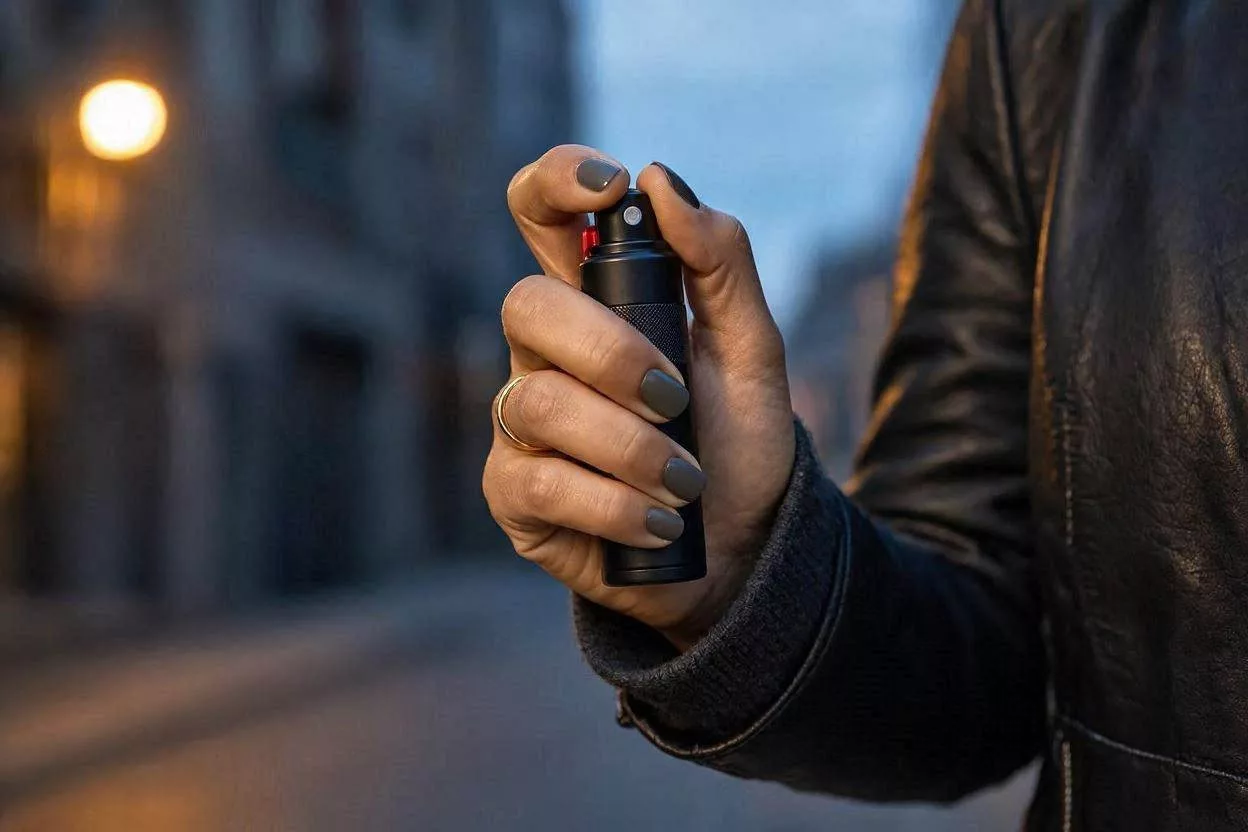
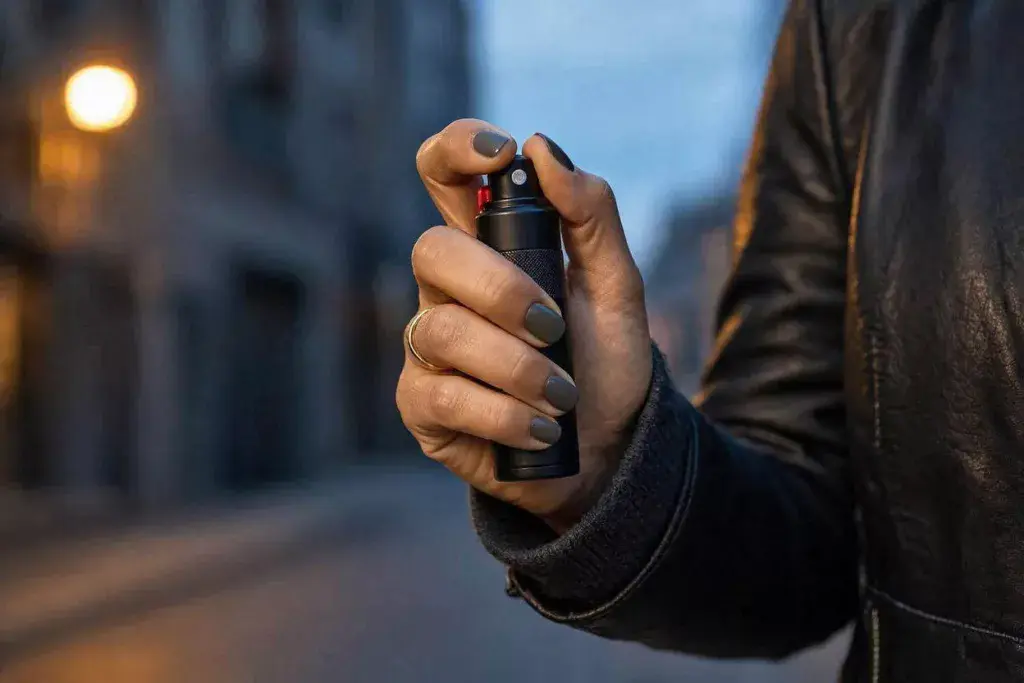
If you were to ask many police officers or self-defense instructors to recommend one item for personal safety for older adults, pepper spray would probably be near the top of the list.
Why?
Because it allows you to defend yourself from a distance without needing exceptional strength or fighting skills.
Unlike many other defensive tools, pepper spray can often stop an attacker before they ever get close enough to grab you.
The active ingredient, called oleoresin capsicum (OC), is derived from hot peppers. When sprayed into an attacker’s face, it causes an intense burning sensation in the eyes, severe watering, involuntary eyelid closure, coughing, difficulty breathing, and temporary disorientation. While the effects are usually temporary, they can give you precious seconds to escape.
That escape is your objective.
Once you’ve created distance, move to a safe place immediately and call 911.
Choosing the Right Pepper Spray
Many people don’t realize there are several different types of pepper spray, each with its own advantages and disadvantages.
Stream Spray
A stream spray delivers a concentrated stream directly toward the attacker.
Advantages
- Longer range, often up to 10–15 feet.
- Less affected by light wind.
- Lower chance of spraying yourself accidentally.
- Better suited for outdoor use.
Disadvantages
- Requires better aim.
For many older adults, this is an excellent all-around choice.
Pepper Gel
Pepper gel has become increasingly popular in recent years.
Instead of producing a fine mist, it shoots out in a thicker stream that sticks to the attacker’s face.
Advantages
- Longer range than many traditional sprays.
- Less blowback in windy conditions.
- Reduced risk of affecting innocent bystanders.
- Excellent for outdoor environments.
Disadvantages
- Slightly slower to take effect because it must spread across the eyes.
Many experts now recommend pepper gel for everyday carry because of its reduced blowback.
Fogger or Cone Spray
These sprays release a wide cloud of pepper spray.
Advantages
- Easier to hit an attacker.
- Helpful against multiple attackers.
Disadvantages
- Wind can blow it back toward you.
- Greater chance of affecting yourself.
- Not ideal indoors.
Foam Pepper Spray
Foam sprays cling to the attacker’s face and are difficult to wipe away.
However, they generally require more precise placement and may take slightly longer to produce their full effect.
Which Type Is Best?
For most seniors, a compact keychain pepper spray or pepper gel offers the best balance of portability, ease of use, and effectiveness.
The most important thing is that you’ll actually carry it.
A large canister left at home won’t help you in a parking lot.
A small keychain model attached to your keys is far more likely to be with you when you need it.
Practice Before You Need It
Buying pepper spray is only the first step.
Spend time learning how to use it safely.
Read the instructions.
Practice removing the safety catch.
Know which direction the nozzle points.
Many manufacturers even sell inert practice canisters that contain water instead of pepper spray, allowing you to build confidence without wasting your defensive spray.
Remember, under stress your body tends to do what it has practiced.
Even a few minutes of familiarization can make a tremendous difference.
Personal Safety Alarms
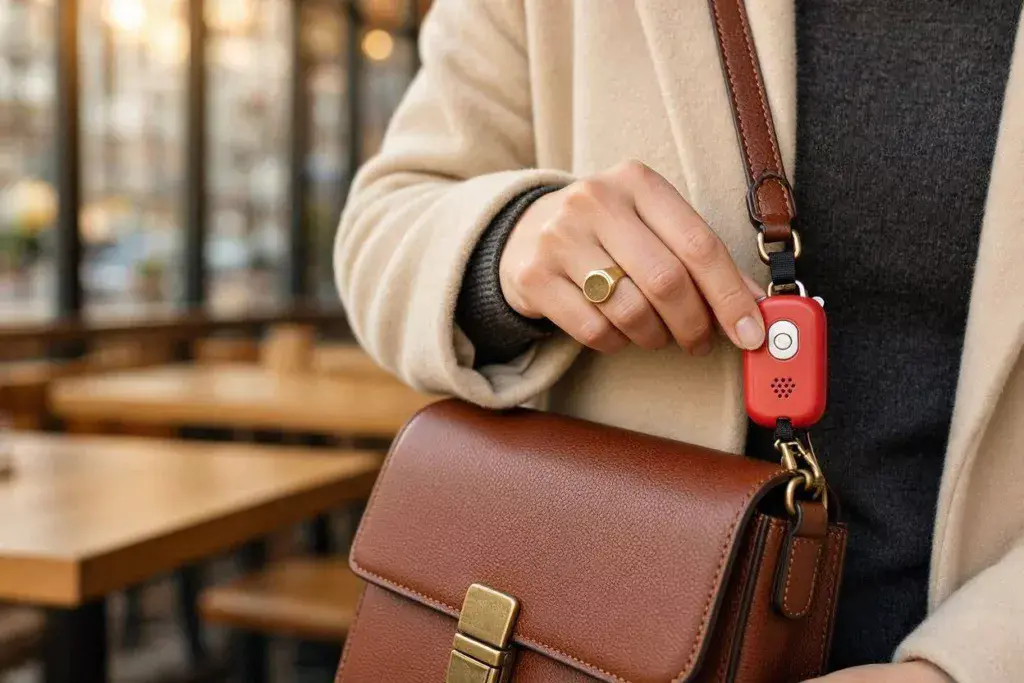
Another excellent option—particularly for seniors who don’t feel comfortable carrying pepper spray—is a personal safety alarm.
These small devices attach to a keyring, purse, or belt loop.
When activated, they emit an ear-piercing alarm that can exceed 120 decibels.
That’s about as loud as a rock concert.
The sudden noise often startles an attacker while drawing immediate attention from people nearby.
Criminals generally dislike attention.
Many flee the moment bystanders begin looking in their direction.
Personal alarms are lightweight, inexpensive, require no special training, and are completely non-lethal.
They’re especially useful while walking, travelling, or shopping.
Tactical Flashlights

A high-quality LED flashlight is one of the most underrated self-defense tools for older adults.
Its primary purpose isn’t striking someone.
It’s helping you avoid danger.
A bright flashlight can illuminate poorly lit parking lots, walking paths, stairwells, and building entrances.
Some modern flashlights produce well over 1,000 lumens, enough to temporarily disorient someone if shone directly into their eyes at close range, giving you an opportunity to move away.
Even better, a flashlight is something you’ll probably use regularly, making it a practical everyday carry item rather than a gadget that sits forgotten in a drawer.
Canes Can Be Effective Defensive Tools
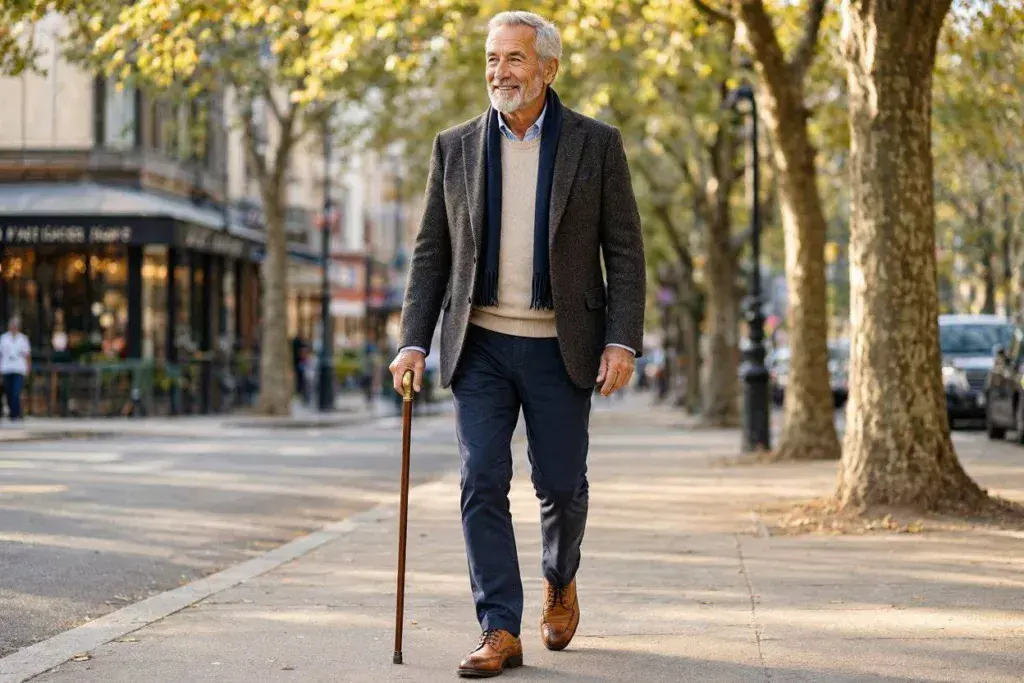
If you already use a walking cane, you may be carrying one of the most versatile defensive tools available.
A sturdy cane naturally creates distance between you and another person.
It can also help you keep someone from moving closer without requiring significant upper-body strength.
The key isn’t swinging wildly.
Instead, think of the cane as a tool for maintaining space while you move toward safety.
Some community centers and martial arts schools even offer cane self-defense classes specifically designed for older adults.
These classes emphasize balance, confidence, and simple defensive movements rather than complicated techniques.
Kubotans
A kubotan is a small, lightweight stick that attaches to a keychain.
Originally developed for law enforcement, it’s designed to strengthen your grip and can be used for leverage or pressure-point techniques if escape becomes impossible.
Although some people appreciate their compact size, they require practice to use effectively.
It’s also worth remembering that some jurisdictions have restrictions regarding certain self-defense tools, so always check local laws before carrying one.
Don’t Forget the Humble Whistle
It may seem old-fashioned, but a quality emergency whistle remains one of the simplest safety devices you can carry.
Unlike shouting, a whistle produces a loud, piercing sound with very little effort.
That’s particularly helpful if you’re frightened or short of breath.
A whistle can attract attention over surprisingly long distances and may be enough to convince an attacker to leave before the situation escalates.
Gadgets That Aren’t Always the Best Choice
Walk into almost any outdoor or self-defense store and you’ll see shelves full of devices claiming to make you safer.
Some are useful.
Others are less practical than they first appear.
Stun Guns
Stun guns require direct contact with an attacker.
That means allowing someone to get within arm’s reach—something you should avoid whenever possible.
Tasers
Civilian Tasers can be effective where legal, but they are generally more expensive, require training, and often work only if both probes make good contact.
Pocket Knives
Many people assume carrying a knife automatically improves their safety.
In reality, knives require considerable training to use effectively under stress.
There’s also a significant risk that the weapon could be taken away and used against you.
For most older adults, a knife is not the best primary self-defense tool.
Your Safety Equipment Needs Maintenance
Whatever you decide to carry, make a habit of checking it regularly.
Ask yourself:
- Is my pepper spray still within its expiration date?
- Is my personal alarm battery working?
- Does my flashlight have fresh batteries or a full charge?
- Can I reach my defensive tool quickly without searching through my bag?
A defensive tool buried beneath tissues, receipts, reading glasses, and shopping lists won’t help much during an emergency.
Carry it somewhere you can access it quickly and confidently.
Remember Why You’re Carrying It
It’s easy to become fascinated by gadgets, but never lose sight of the real purpose.
You’re not carrying pepper spray, a flashlight, or a personal alarm because you’re expecting trouble.
You’re carrying them for exactly the same reason you wear a seatbelt.
You hope you’ll never need them.
But if the unexpected happens, you’ll be very glad they’re there.
Part 4 – If the Worst Happens: Staying Safe, Protecting Your Home, and Living with Confidence
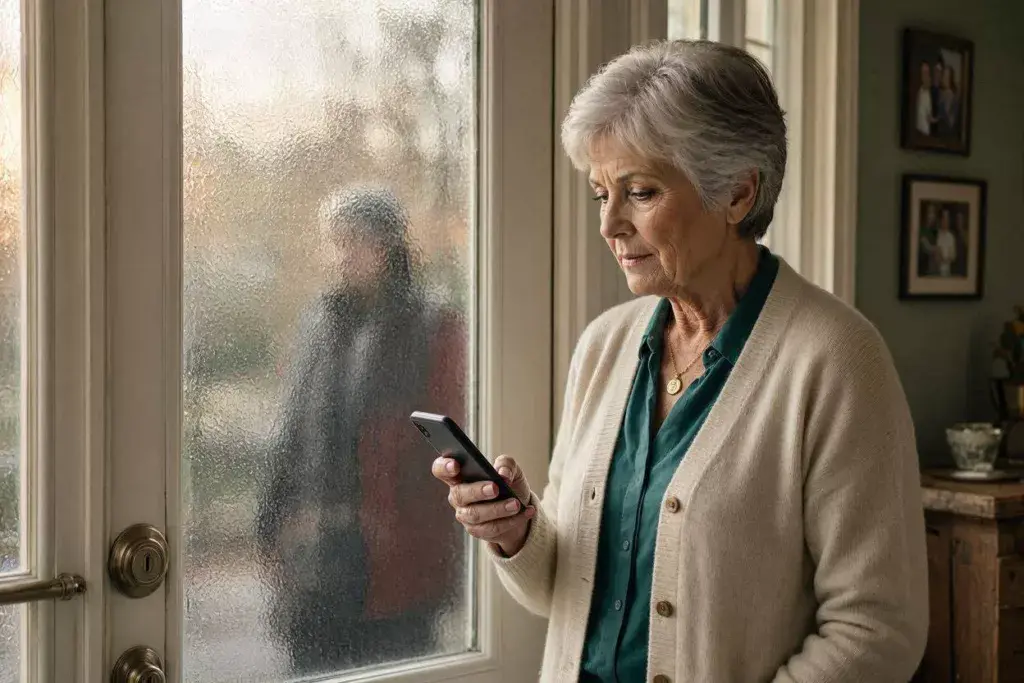
Everything we’ve covered so far—awareness, confidence, and carrying sensible self-defense tools—greatly reduces your chances of ever becoming a victim. But no article on how older adults can defend themselves would be complete without discussing what to do if a confrontation actually occurs.
The most important thing to remember is this:
Your objective is not to win a fight.
Your objective is to get home safely.
That may sound obvious, but it’s a mindset worth adopting. Movies often portray dramatic battles where one person defeats another. Real life is very different. Even a minor struggle can result in serious injuries, particularly for older adults.
If someone threatens you, your priorities should always be:
- Create distance.
- Escape if possible.
- Attract attention.
- Call 911 as soon as you are safe.
Every decision you make should move you closer to those goals.
If You’re Confronted
If someone approaches aggressively, try to stay calm. Panic can make it difficult to think clearly, but taking a slow breath can help you focus on what needs to happen next.
If possible, keep several feet between yourself and the other person. Distance gives you time to react and reduces the chances of someone grabbing you unexpectedly.
Raise your hands naturally to about chest height with your palms facing outward. This posture can signal that you don’t want trouble, but it also places your hands in a position where you can protect yourself or create space if necessary.
Use a firm, confident voice.
Simple phrases such as:
“Stop!”
“Stay back!”
“Leave me alone!”
can sometimes attract attention from others nearby while making it clear that you are not an easy target.
If carrying a personal alarm, activate it immediately if you believe you’re in danger. If you legally carry pepper spray and the situation justifies its use, remember that its purpose is to give you an opportunity to escape—not to remain and continue the confrontation.
Once you have the chance, leave immediately and call the police.
Physical Self-Defense Should Be Your Last Resort
Sometimes, despite every precaution, escape isn’t immediately possible.
If that happens, keep your actions simple.
Forget complicated martial arts techniques. Under stress, most people lose fine motor coordination, making elaborate moves difficult to perform.
Instead, focus on creating enough space to break free and get away.
If someone grabs your wrist, don’t pull straight back. Turn your arm toward the attacker’s thumb—the weakest part of the grip—while stepping backward.
If someone blocks your path, move laterally if possible rather than trying to push directly through them.
If you fall, protect your head and try to get back on your feet as quickly as you safely can. Remaining on the ground makes it harder to escape and increases your vulnerability.
Remember, every second spent trying to “win” a confrontation is a second you’re not moving toward safety.
Your Home Should Be Your Safe Haven
Many people think about personal safety only when they’re away from home, but your house deserves just as much attention.
Fortunately, improving home safety for seniors doesn’t require turning your home into a fortress.
A few sensible precautions can make a significant difference.
Install Good Outdoor Lighting
Criminals prefer darkness.
Motion-activated lights around entrances, driveways, and walkways remove one of their biggest advantages.
They also reduce your own risk of slips and falls when returning home after dark.
Reinforce Your Doors
A surprising number of burglaries involve kicking in a weak door.
Installing a heavy-duty strike plate with longer screws is an inexpensive upgrade that makes forced entry much more difficult.
Ensure all exterior doors have quality deadbolts.
Consider a Video Doorbell
Video doorbells have become one of the most useful home security devices available.
They allow you to see who’s outside before opening the door, whether you’re in the living room or away from home.
Many also record activity, which can be valuable if suspicious visitors return.
Don’t Advertise That You’re Alone
If someone knocks unexpectedly, you don’t have to announce that you’re home by yourself.
Instead, speak confidently through the closed door or an intercom if you have one.
If you aren’t expecting the visitor, verify who they are before opening the door.
Legitimate workers and delivery drivers won’t object.
Scammers often will.
Vehicle Safety Matters Too
Your car can either be a place of safety or vulnerability depending on your habits.
Whenever you approach your vehicle:
- Have your keys ready before you arrive.
- Scan the area around your car.
- Look inside before getting in.
- Lock the doors immediately.
- Start driving rather than sitting in the parking lot using your phone.
If another vehicle appears to be following you and something doesn’t feel right, don’t drive home.
Instead, head toward a busy public place or directly to the nearest police station if possible.
Again, trust your instincts.
Self-Defense Classes Build More Than Skills
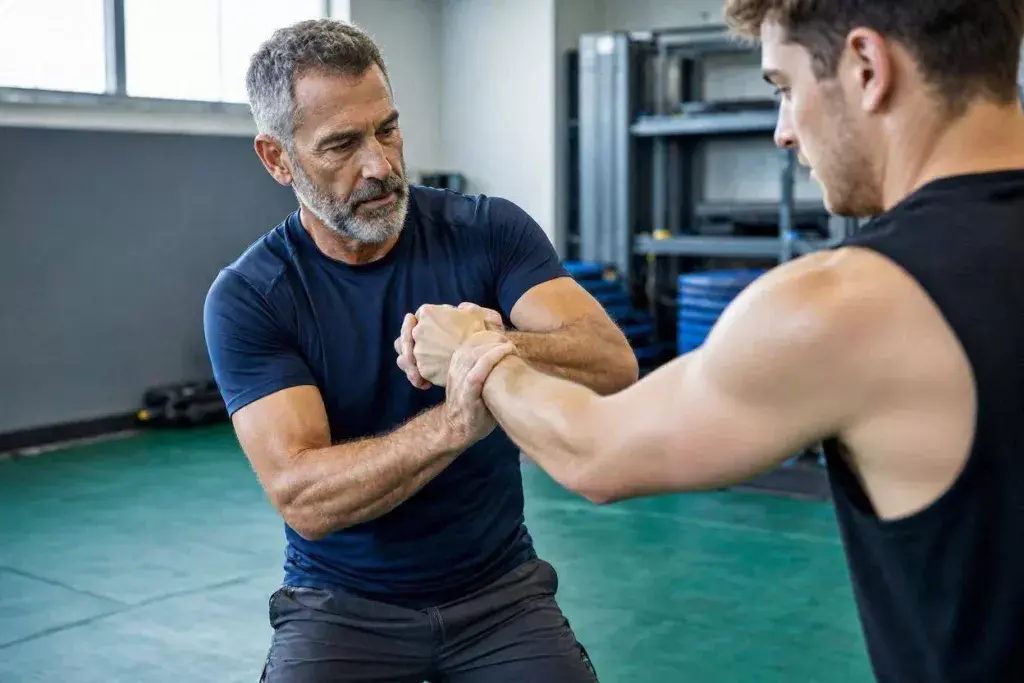
One of the best investments you can make for yourself, apart of course from staying fit during retirement, would be to enroll in a self-defense class for seniors.
Many community centers, YMCAs, senior organizations, and martial arts schools offer programs specifically designed for older adults.
These classes rarely focus on fighting.
Instead, they teach:
- Situational awareness.
- Escaping common grabs.
- Maintaining balance.
- Using your voice confidently.
- Defensive cane techniques.
- Safe ways to fall.
- Building confidence under pressure.
Just as importantly, they’re enjoyable.
You’ll meet new people, stay active, and gain confidence while learning practical skills.
Many participants say the greatest benefit isn’t learning how to defend themselves physically.
It’s learning that they’re far more capable than they thought.
Keep Practicing
Self-defense isn’t something you learn once and forget.
Every few months, ask yourself:
- Do I still know how to use my pepper spray?
- Does my personal alarm still work?
- Are my flashlight batteries charged?
- Have I become too distracted by my phone?
- Am I paying attention when I’m in public?
Small reminders like these help keep good habits fresh.
The Greatest Advantage of All
After writing this article, one thought keeps coming back to me.
Growing older doesn’t make us helpless.
If anything, it gives us advantages younger people often lack.
We’ve developed judgment.
We’ve learned patience.
We’ve experienced life’s unexpected situations.
We recognize when something doesn’t seem right.
Those years of experience are powerful assets.
Combine them with awareness, sensible preparation, and a few well-chosen safety tools, and you’ve dramatically improved your ability to protect yourself.
Know the Laws Where You Live
- Pepper spray, stun guns, and other self-defense devices are regulated differently depending on the state or country.
- Readers should familiarize themselves with local laws before purchasing or carrying any defensive tool.
- Self-defense tools should only be used when a person reasonably believes they are in imminent danger and needs to create an opportunity to escape.
- The safest response is always to leave the area and contact law enforcement as soon as possible.
And if this article inspires you to share your own experiences, start a blog, or build a website about your interests, a resource like Wealthy Affiliate can be worth mentioning because it provides training, tools, and community support for people who want to learn how to create and grow an online presence.
Final Thoughts

The purpose of this article has never been to encourage fear.
Quite the opposite.
Most older adults will thankfully never face a violent attack.
But preparation has a way of replacing anxiety with confidence.
When you understand how older adults can defend themselves, you stop relying on luck.
You begin relying on awareness.
You begin making smarter decisions.
You carry the right tools.
You recognize danger sooner.
You avoid situations that don’t feel right.
And if the unexpected ever happens, you’re far better prepared to respond calmly and safely.
Remember this:
The safest people are rarely the strongest.
They’re the ones who notice danger early, think clearly under pressure, and act decisively.
Stay alert.
Stay confident.
Stay independent.
And above all, continue enjoying the retirement you’ve worked so hard to achieve.