Everyone, no matter their age, should always strive to stay fit. But often life just gets in the way of our best intentions. As we age, we become more involved with our lives, and the discipline and time that physical fitness demands gets somehow lost in the shuffle. Until that is, we find ourselves observing just how long it’s currently taking to get out of the car, and for most people that’s when the penny should drop, that getting fit after 60 will go a long way in helping us fully enjoy an active retirement
Getting older and being out of shape is not a good combination. It can lead to all sorts of negative consequences. Think about the challenges that stack up, like struggling to take the stairs or feeling exhausted after carrying groceries. Staying fit becomes not just a matter of looking good but about maintaining independence and quality of life.
Balance, flexibility, and muscle strength are more important now than ever. They’re not just extras; they’re your tools for a vibrant everyday life. When you keep your body moving, you’re doing more than just breaking a sweat. You’re investing in your future, ensuring you can keep up with the grandkids or spend your golden years exploring new passions.
The reality is simple. Fitness isn’t reserved for the young. It’s a lifelong journey. Even if the road ahead seems daunting, remember that each step towards health is worth it. This journey isn’t just about adding years to your life but adding life to your years.
Understanding the Significance of Muscle Mass
As the years roll by, maintaining muscle mass becomes pivotal. It’s not just about looking toned; it’s about function, independence, and health. Muscles play a key role in how we perform everyday tasks, from lifting heavy boxes to keeping our balance on an uneven sidewalk.
Muscle loss, often referred to as sarcopenia, is a common issue as we age. Without the right attention, this decline can lead to decreased mobility, increased fall risks, and even frailty. This isn’t just about losing strength; it’s about losing confidence in your body’s ability to support you.
Evidence is mounting on the benefits of maintaining or even increasing muscle strength into these later years. Numerous studies suggest that older adults who engage in regular strength training have better outcomes in mobility, mental health, and even lifespan.
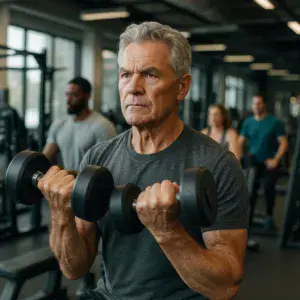
It’s never too late to start focusing on muscle health. With the right exercises, nutrition, and mindset, preserving and building muscle is within anyone’s reach. Getting those muscles working means opening doors to a more active and fulfilled life. So, find what inspires you to get moving and keep those muscles thriving as you journey forward.
Benefits of Strength Training for Older Adults
Getting into strength training can be a game-changer, especially as you embrace this new chapter of life. Lifting weights isn’t just about bulking up. It’s about rebuilding the foundation of your mobility and health. Imagine moving with ease, having the energy to enjoy daily activities, and most importantly, feeling strong and capable.
Strength training offers a host of benefits that go beyond physical appearance. It plays a significant role in improving bone density, reducing the risk of fractures and falls. Strong muscles mean better support for your joints, which becomes crucial as you age.
But don’t overlook the mental perks. Exercise, particularly weight training, is known to release endorphins, those feel-good hormones that can help stave off depression and boost mood. More than pumping iron, it’s about pumping life into your system, making everyday challenges seem conquerable.
If you’re worried about starting this process, remember: everyone starts somewhere. The key is to begin with what you’re comfortable with and gradually build up. The rewards? Enhanced confidence, independence, and a body that supports you in living an active, full life. So, grab the weights or resistance bands, and let’s get those muscles celebrating your zest for life.
Getting Started with Weight Training: A Beginner’s Guide

Dipping your toes into the world of weight training can be an exciting adventure, but it’s important to set the stage right. Before lifting anything, many experts recommend a quick visit to your healthcare provider. It’s about making sure your body is ready to take on new challenges safely.
Start small. Think light weights or resistance bands, focusing on form over quantity. It’s not about the heavy lifting competitions; it’s about building a solid routine at your own pace. Consistency is your best friend on this journey.
Establishing a safe and effective training routine is easier than you might think. Start with foundational exercises like squats, leg presses, and bicep curls. These are fantastic for targeting major muscle groups. And always remember, proper form is key to avoiding injury and getting the most out of each move.
If you’re unsure about where to begin, connecting with a personal trainer can be a wise move. They’ll create a custom workout plan that fits your goals and abilities. Plus, they’ll guide you in learning proper techniques, boosting both your confidence and progress.
Tracking progress helps to keep motivated. Celebrate small victories, whether it’s lifting a bit more weight or completing extra reps. Seeing these tangible improvements reinforces the idea that fitness is a journey, and you’re on the right path.
Lifestyle Changes to Support Aging Well
Embracing fitness demands more than just physical activity—it’s about adopting an overall healthy lifestyle. Nutrition plays a significant role in supporting muscle mass. Eating a balanced diet rich in proteins, vegetables, and healthy fats is essential. You don’t have to be a gourmet chef to make these changes—a few tweaks here and there can make a world of difference.
Regular health check-ups become crucial as well. Keeping tabs on your health ensures you’re on the right track with your fitness goals. Measuring muscle mass, bone density, and overall fitness levels helps in adjusting your routine as needed, guiding you towards better outcomes.
It’s also worth considering the mental and social aspects of fitness. Joining a local club or class provides both a workout and a sense of community, which can boost motivation and make exercising more enjoyable. You’ll meet others on similar journeys and share experiences that uplift and inspire. And don’t overlook fitness for your brain. Learning new skills is a great way to stay sharp. The internet company Wealthy Affiliate has some great beginner classes for burgeoning internet entrepreneur’s, and its free to join.
Ultimately, it’s about a holistic approach to health and fitness. By incorporating exercise, nutrition, regular medical reviews, and social interactions, you’re setting yourself up for a vibrant, active life full of possibilities. It’s not about doing everything perfectly but finding what works for you and enjoying the process of aging well and strong.